
High-Performance Wire & Cable Extruder for Precision Insulation
Designed for stable wire diameter control, consistent core concentricity and reduced energy consumption. Used by 3,500+ cable manufacturers for PVC, PE, XLPE and HFFR cable production since 2005.
CE Certified
ISO 9001:2015
24-Month Core Warranty
24/7 Engineer Support
±0.01mm Diameter Tolerance
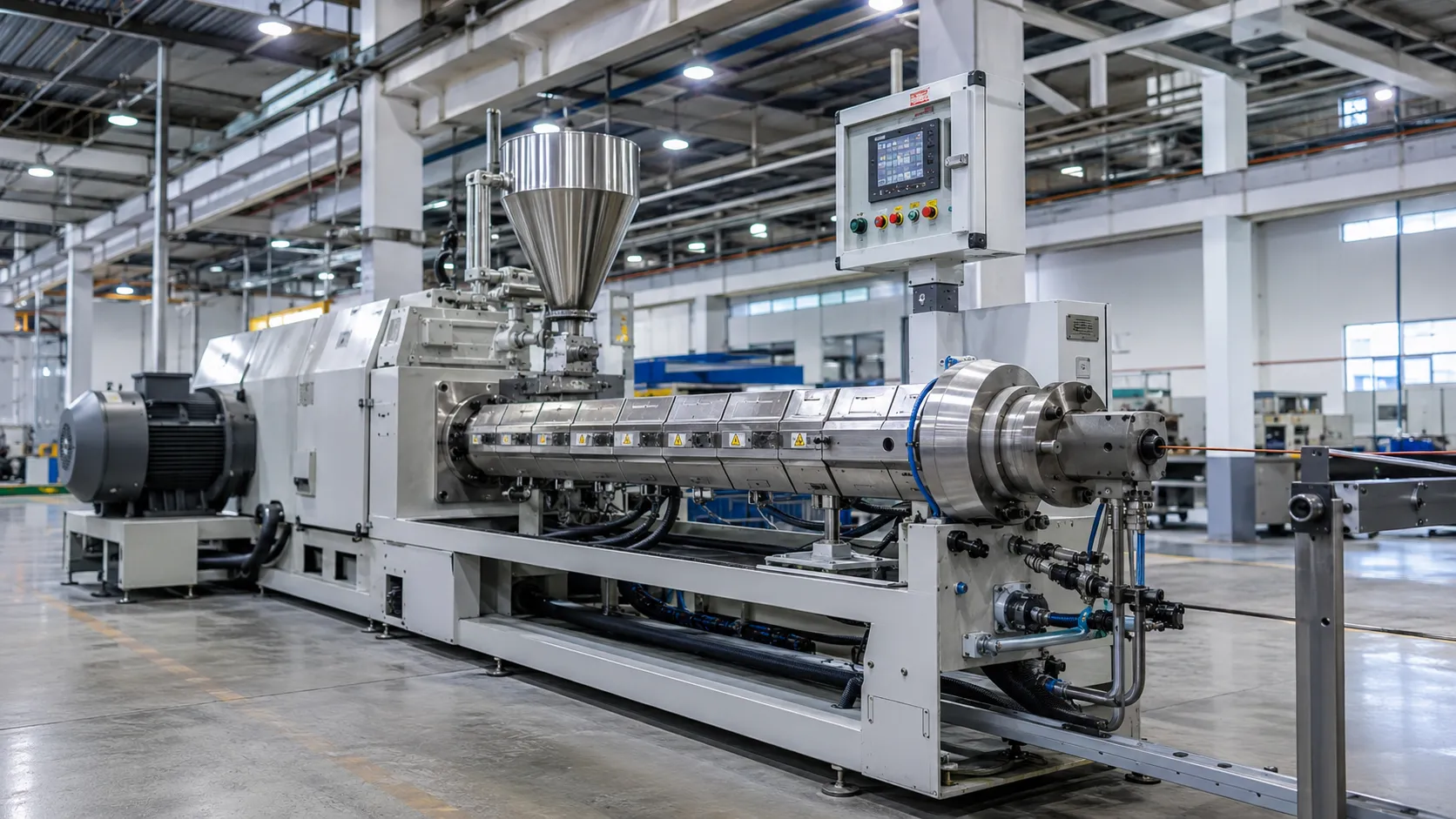 99.5% Core Concentricity
99.5% Core Concentricity
12%Scrap Reduction
±0.5℃Temp Uniformity
30%+Energy Saved
99.5%Core Concentricity
What Is a Wire & Cable Extruder?
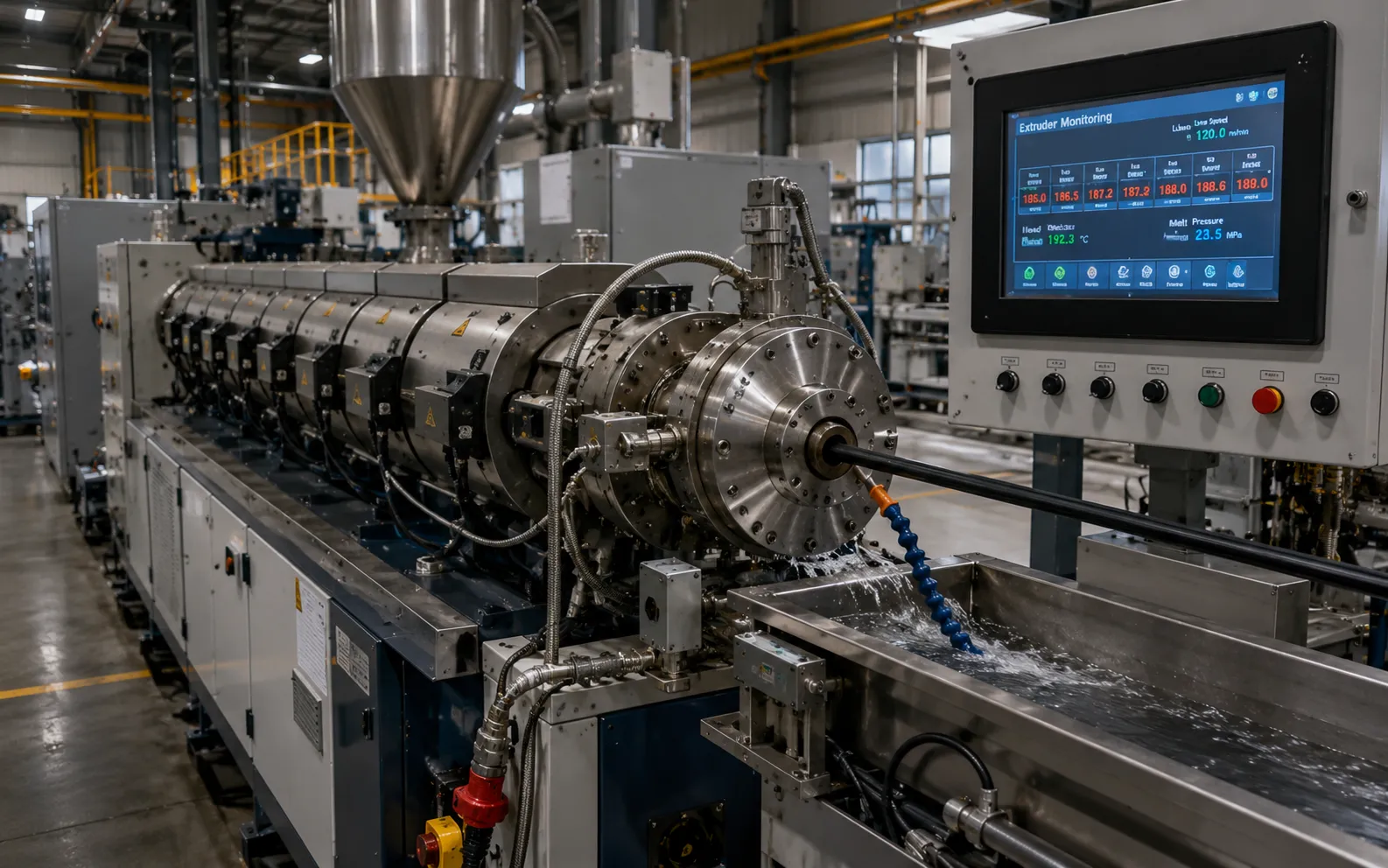
A wire & cable extruder applies protective insulation and sheathing to electrical conductors through continuous extrusion, maintaining consistent diameter, concentricity and material properties throughout production.
Definition & Purpose
A wire & cable extruder melts thermoplastic compounds (PVC, PE, XLPE, HFFR) and coats them onto copper or aluminum conductors. The machine controls melt temperature, screw rotation speed and line speed to achieve tight tolerances — typically ±0.01mm diameter deviation and ≥99.5% core concentricity.
As a wire & cable extruder manufacturer since 2005, UET Machine builds these systems for continuous 24/7 operation with minimal downtime, serving cable factories across 80+ countries.
- Line speeds from 10 to 800 m/min depending on cable type
- Closed-loop diameter control holds ±0.01mm tolerance
- Processes PVC, PE, XLPE and HFFR/LSZH compounds
- Engineered for continuous 24/7 production runs
Wire & Cable Extruder Manufacturer Since 2005
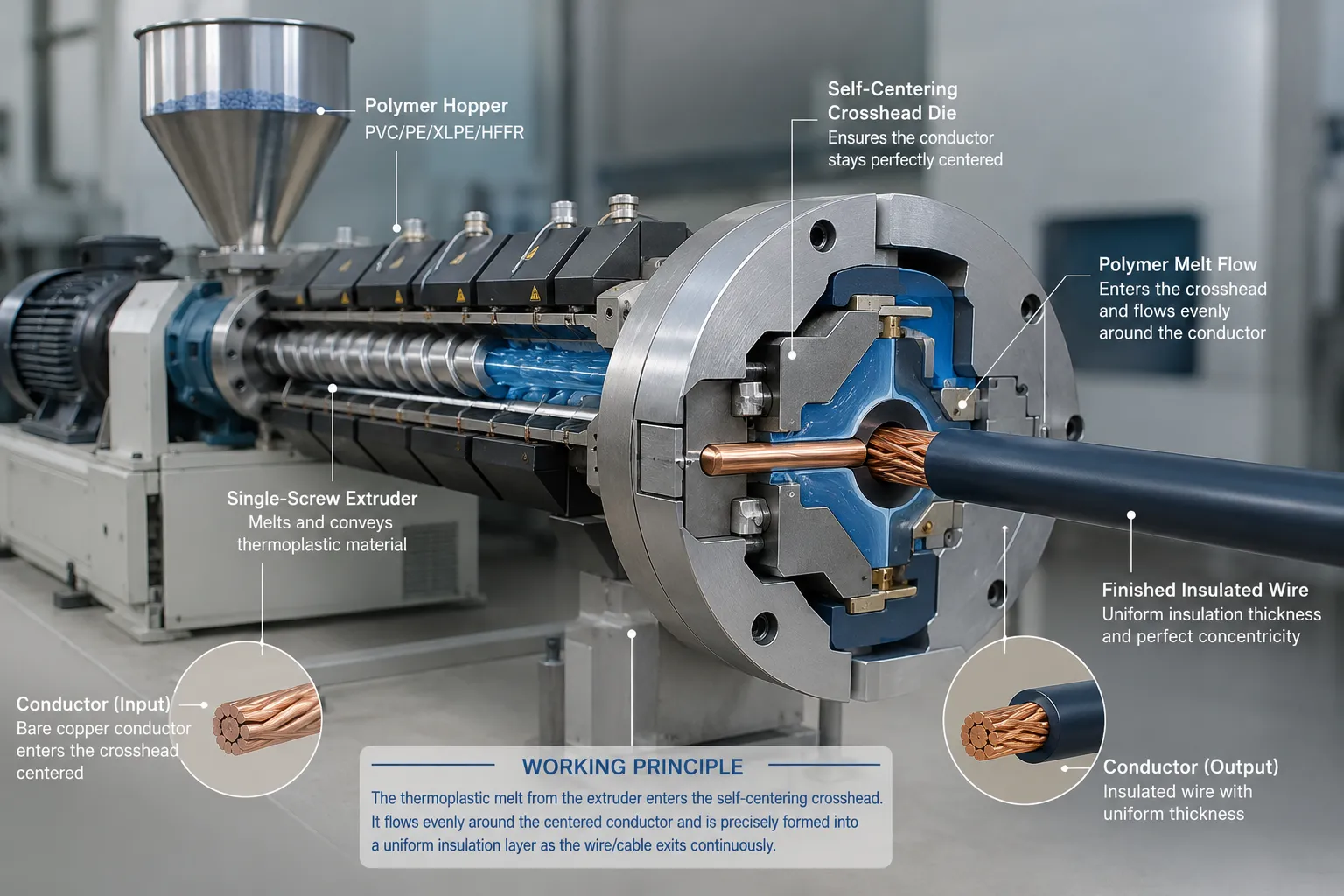
How a Wire & Cable Extruder Works
1
Feeding
Pellets enter the hopper and gravity-feed into the barrel.
2
Melting & Mixing
The rotating screw generates shear heat, melting pellets uniformly.
3
Pressurization
The compression zone builds pressure to push molten polymer forward.
4
Extrusion & Coating
Melt flows through the crosshead die, coating the conductor concentrically.
Solving Critical Wire & Cable Extrusion Challenges
Engineering answers to the most common pain points in cable production — from diameter deviation to material degradation.
Precision Wire Diameter Control
Advanced PLC temperature control and precision die fine-tuning hold tolerances to ≤±0.01mm, raising your factory qualification rate and cutting material waste.
Optimized Core Concentricity
Optimized positioning mechanisms, rigid machine bases and stable melt pressure deliver consistent concentricity for power and data cables.
Multi-Material Compatibility
Switch between PVC, PE, XLPE and LSZH/HFFR without frequent re-adjustment. Customized screw geometries ensure optimal plasticization for each material.
Energy & Cost Efficiency
High-torque energy-saving drives and optimized barrel heating zones cut unit energy consumption by over 30%, reducing energy costs and carbon footprint.
Simplified Maintenance
Quick mold changes (≤12 min) and easy access to wear parts. Modular structure minimizes downtime and lowers the skill threshold for operators.
Stable 24/7 Operation
Bimetallic barrels and wear-resistant screws deliver stable output and consistent quality through long, uninterrupted heavy-duty production runs.
Complete Wire & Cable Extrusion Line Process (5 Steps)
The complete synchronized workflow from conductor pay-off to finished cable coiling.
Step 1
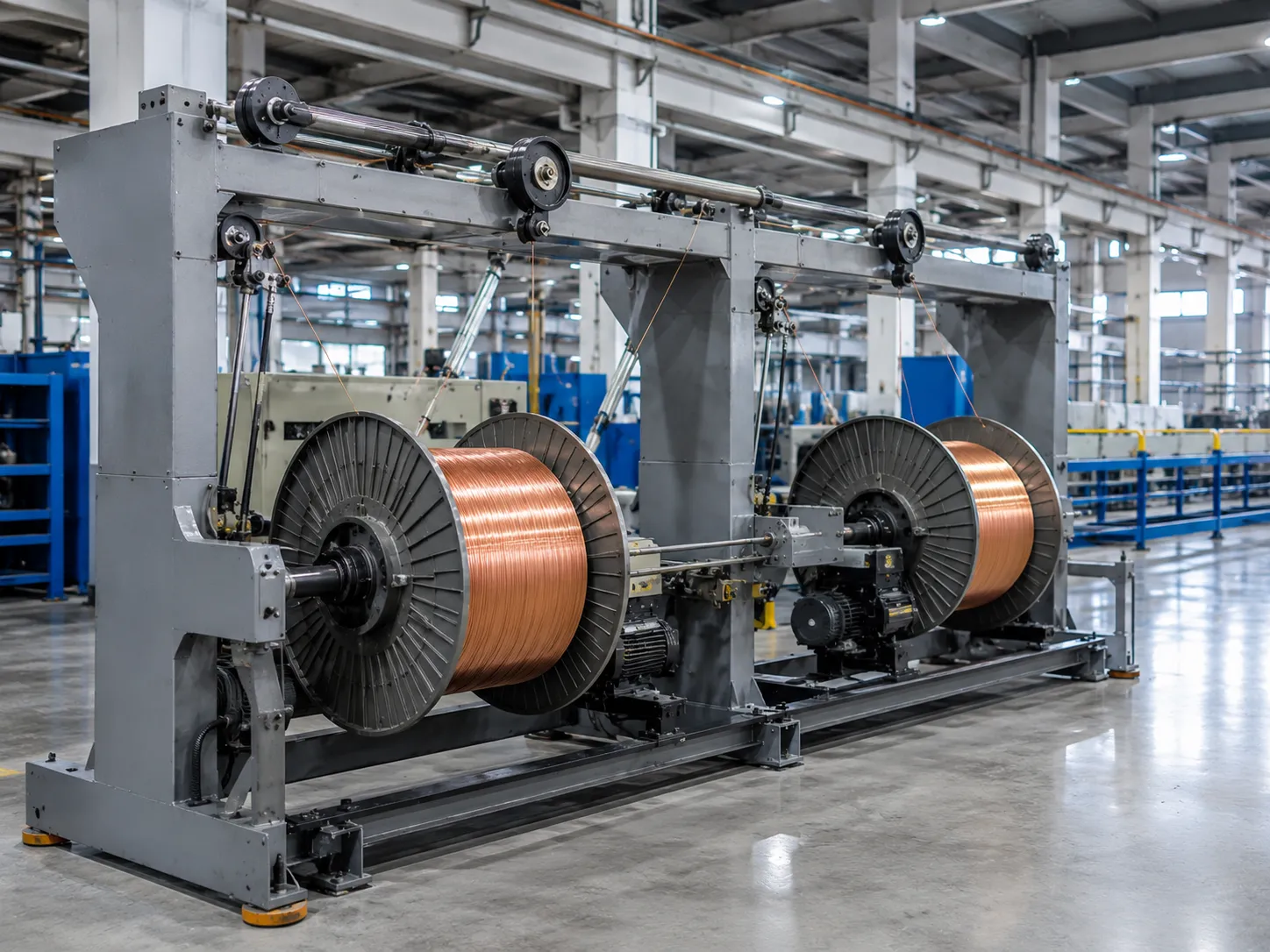
Active Pay-off
Motorized dual-spool payoff with precise tension control to prevent conductor stretching.
Step 2
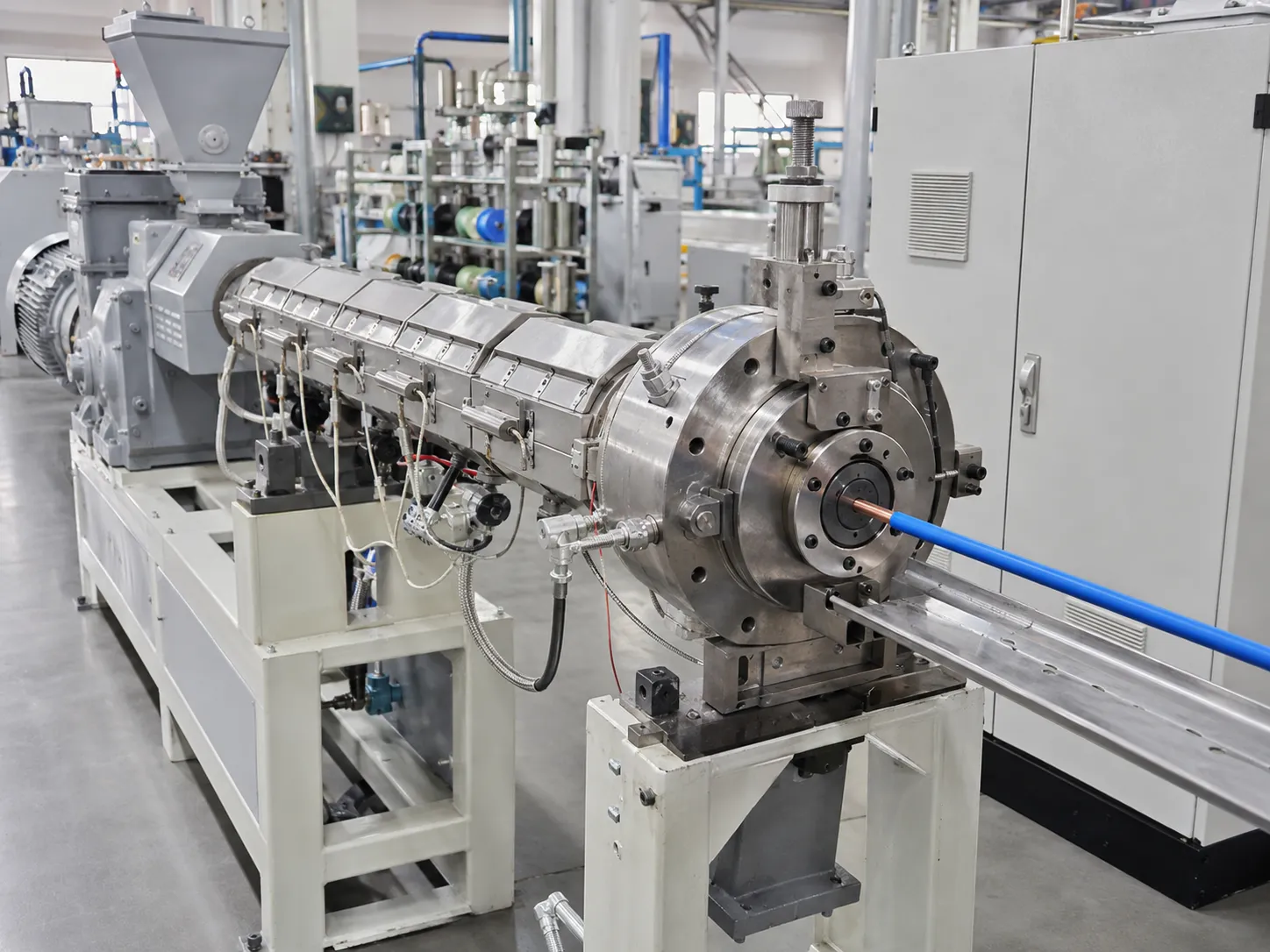
Extruder & Crosshead
Precision melting and uniform coating through a self-centering extrusion crosshead die.
Step 3
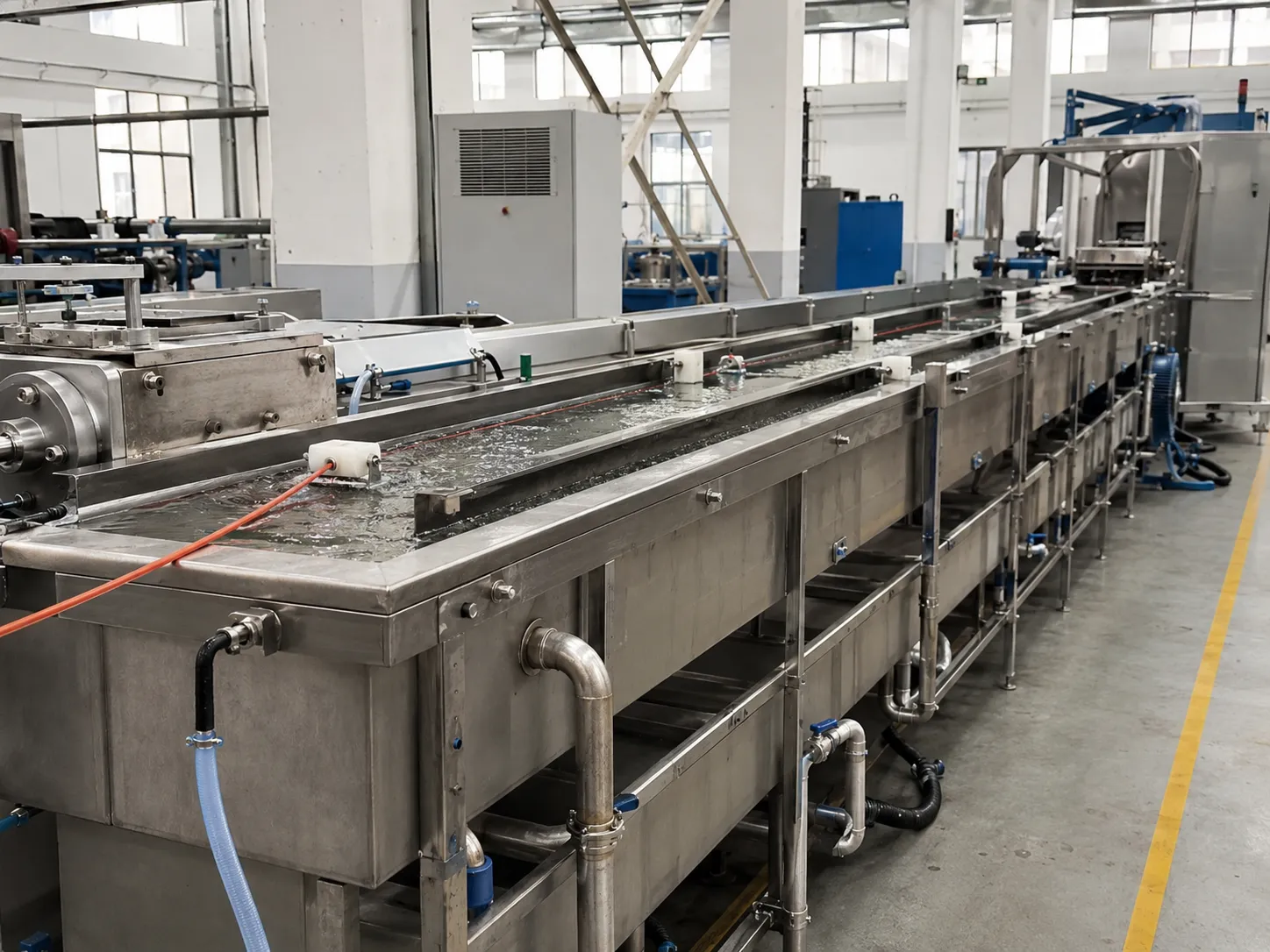
Cooling Trough
Multi-zone water cooling solidifies insulation gradually, avoiding thermal shock.
Step 4
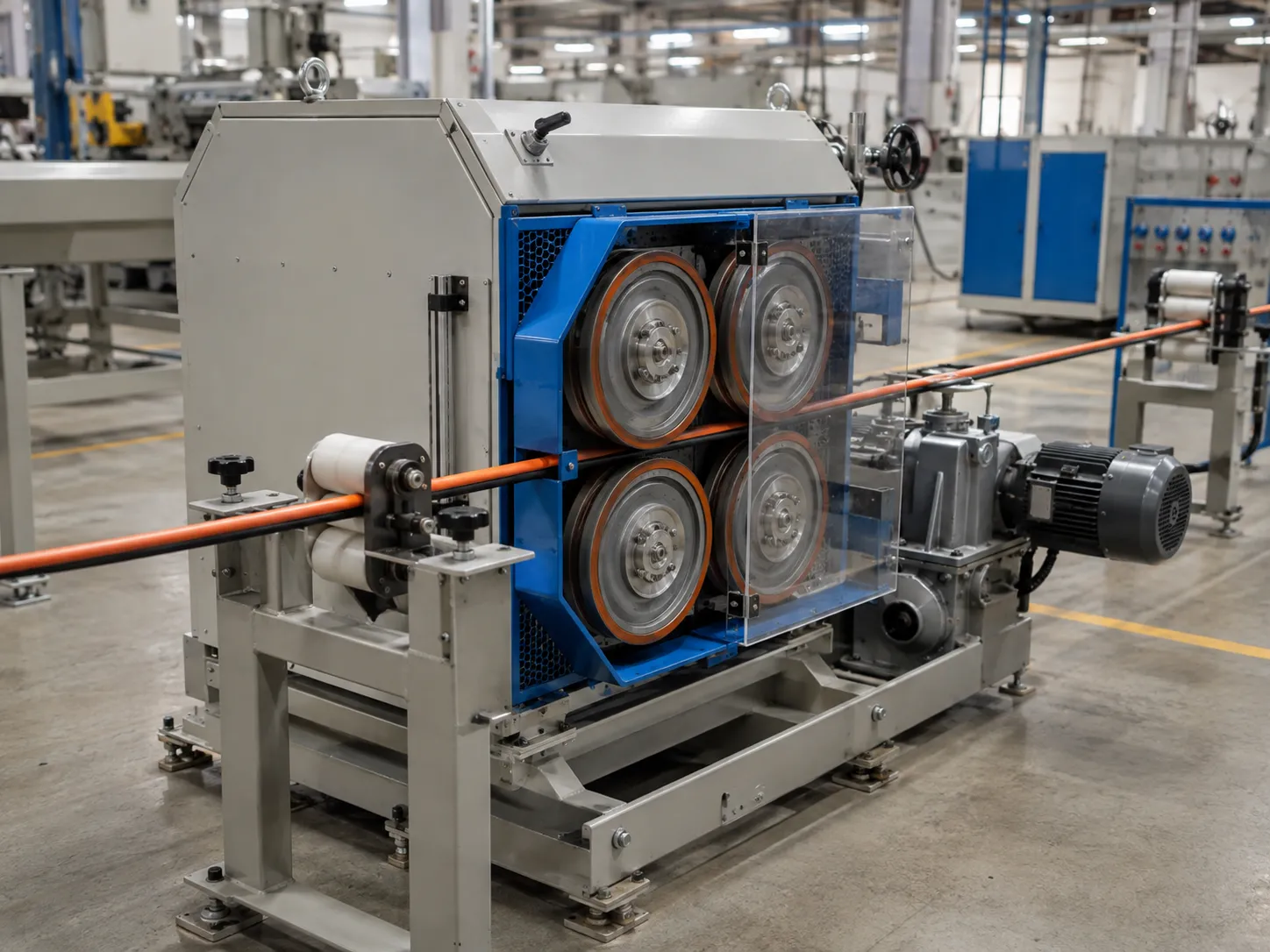
Precision Capstan
Belt/wheel capstan closed-loop synchronized with screw RPM for constant line speed.
Step 5
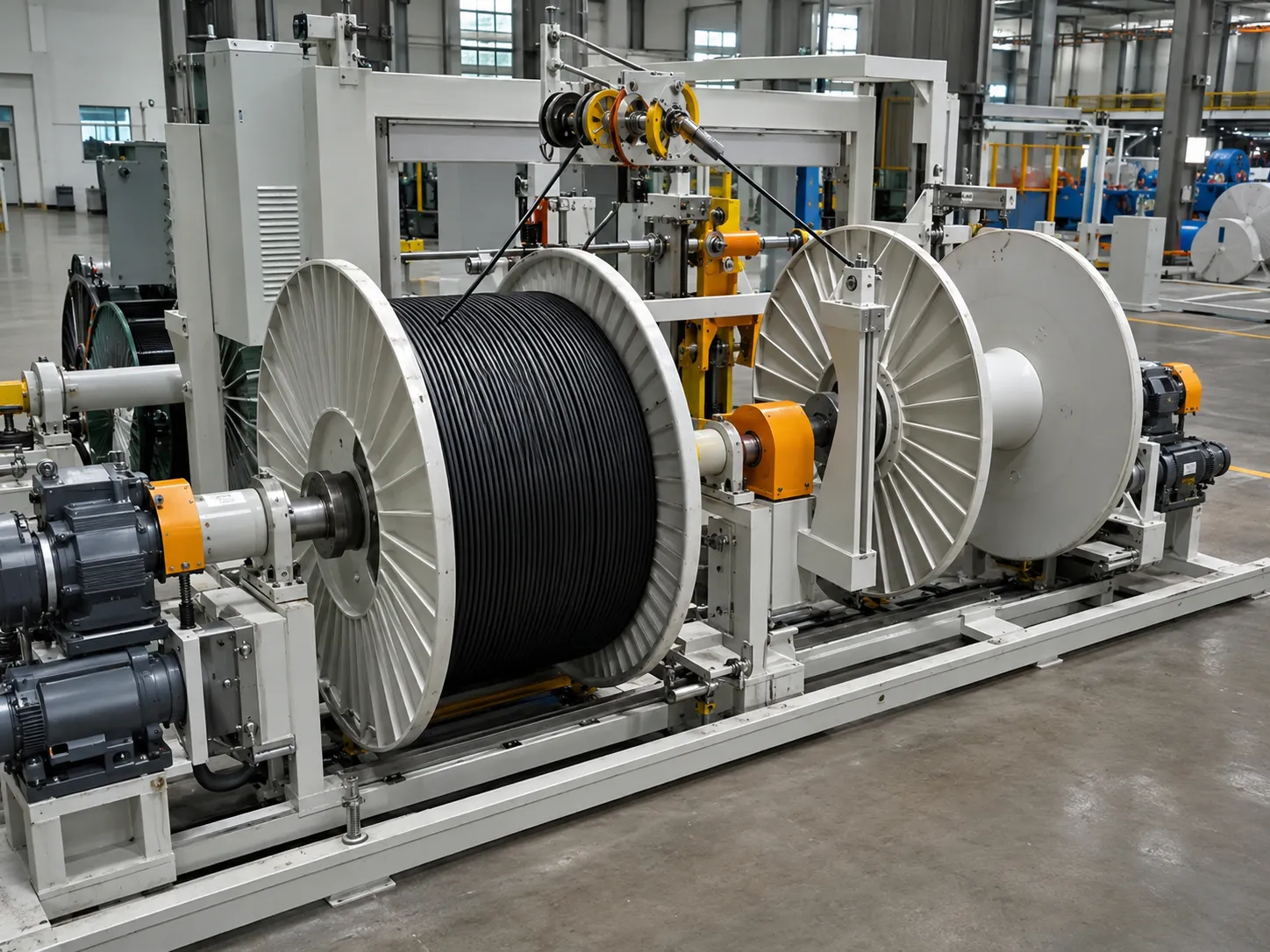
Dual Take-up
Automatic dual-spool take-up with non-stop wire exchange for continuous runs.
Need a Custom Line Layout?
Send your cable spec — our engineers return a free line layout drawing and itemized quotation within 2 hours.
Get Free LayoutMaterials Processed: PVC, PE, XLPE & HFFR/LSZH
Every cable compound demands a specific thermal and shear profile. UET customizes screw geometry and barrel configuration to your exact formula.
PVC / PEThermoplastic Insulation & Sheathing
- Melt Range
- 150–200°C
- Screw Design
- Low-shear, BM barrel
- L/D Ratio
- 24–28:1
- Critical Risk
- HCL corrosion / degradation
UET Solution
Corrosion-resistant bimetallic barrels with precise zone thermal profiling for degradation-free plasticization.
XLPECross-Linked Polyethylene, MV/HV
- Melt Range
- 105–120°C (scorch-sensitive)
- Screw Design
- Low-compression, polished
- L/D Ratio
- 26–30:1
- Critical Risk
- Premature cross-linking
UET Solution
Water-cooled feed throats and dead-spot-free flow channels for smooth continuous high-voltage runs.
HFFR / LSZHLow-Smoke Zero-Halogen Compounds
- Filler Load
- Up to 60% ATH
- Screw Design
- Maddock / pineapple mixing
- L/D Ratio
- 28–32:1
- Critical Risk
- Filler agglomeration
UET Solution
High-torque gearboxes with distributive mixing elements guarantee uniform filler dispersion and strength.
Core Components of a Wire & Cable Extruder
Reliability is defined by internal engineering. We machine the critical components in-house to guarantee consistent precision.
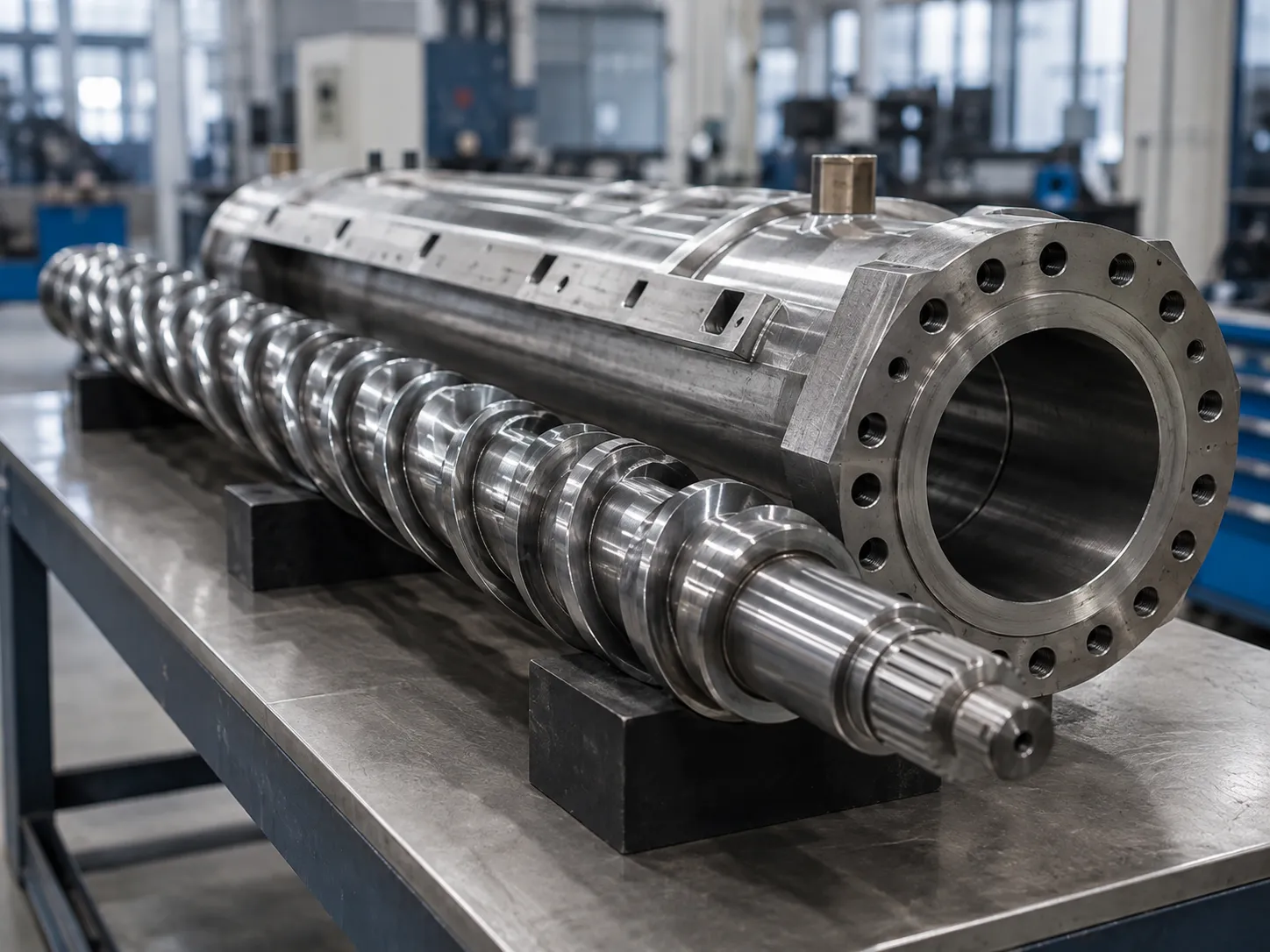
Component 01
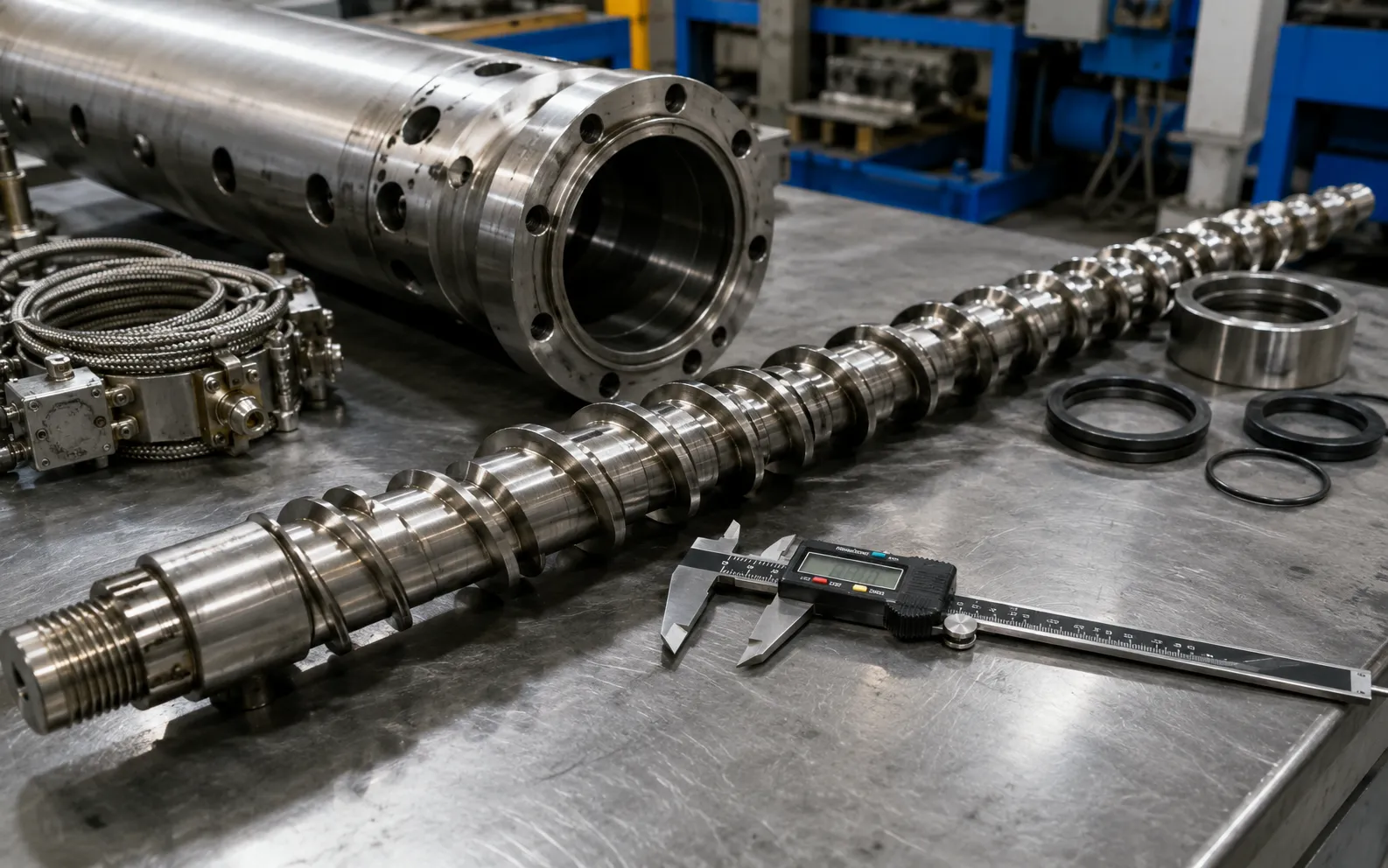
Nitride & Bimetallic Screw / Barrel
The heart of extrusion. 72-hour nitriding or bimetallic alloy linings deliver extreme surface hardness and wear resistance against abrasive HFFR compounds.
HV 950+ Hardness3× Lifespan38CrMoAlA Core
Component 02
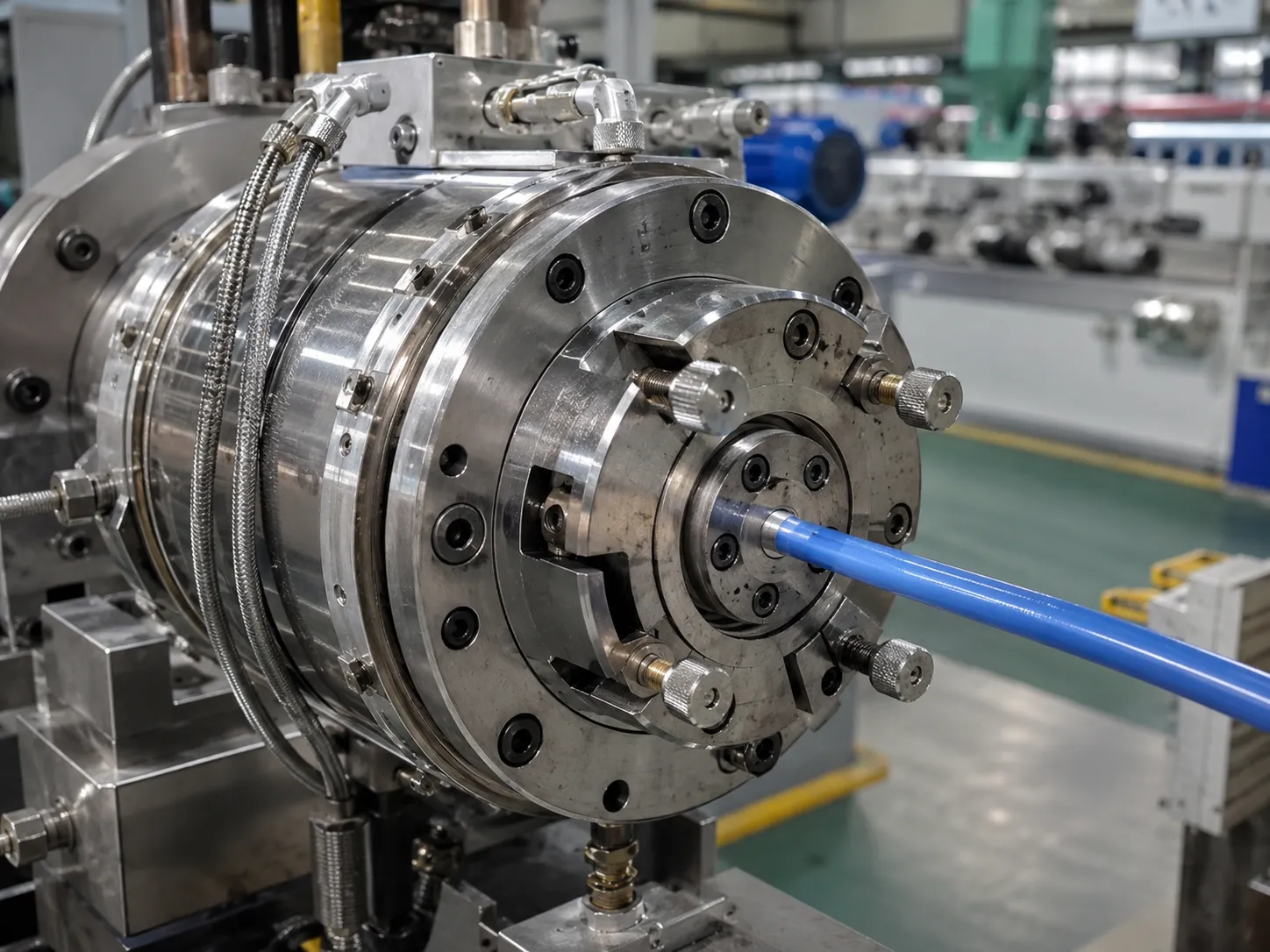
Precision Extrusion Crosshead
A poor crosshead causes eccentricity and waste. UET crossheads use a self-centering die mechanism and optimized flow-channel geometry for perfectly concentric insulation.
Self-Centering DieMirror-Polished±0.01mm Tolerance
Typical Configurations & Technical Specifications (UET-55–UET-95)
Purpose-built configurations for different cable types, materials and production scales — detailed parameters to help you select the right model.
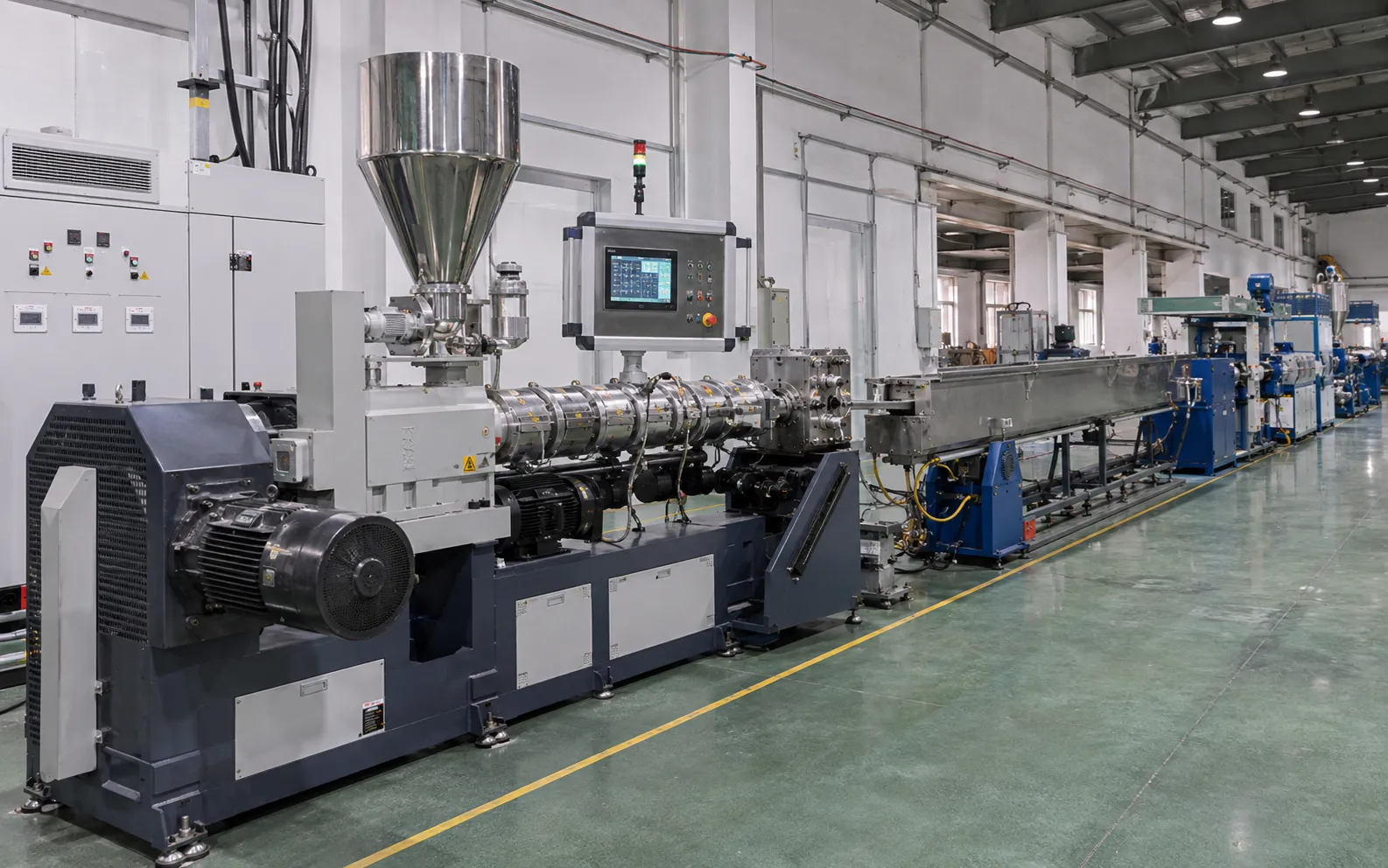
Building Wire Line (UET-65)
High-speed extrusion of standard PVC/PE building wires with rapid heating zones and high-output screws.
- Max Output: 200 kg/h
- Line Speed: up to 600 m/min
- Best for: THHN, BV, RV wires
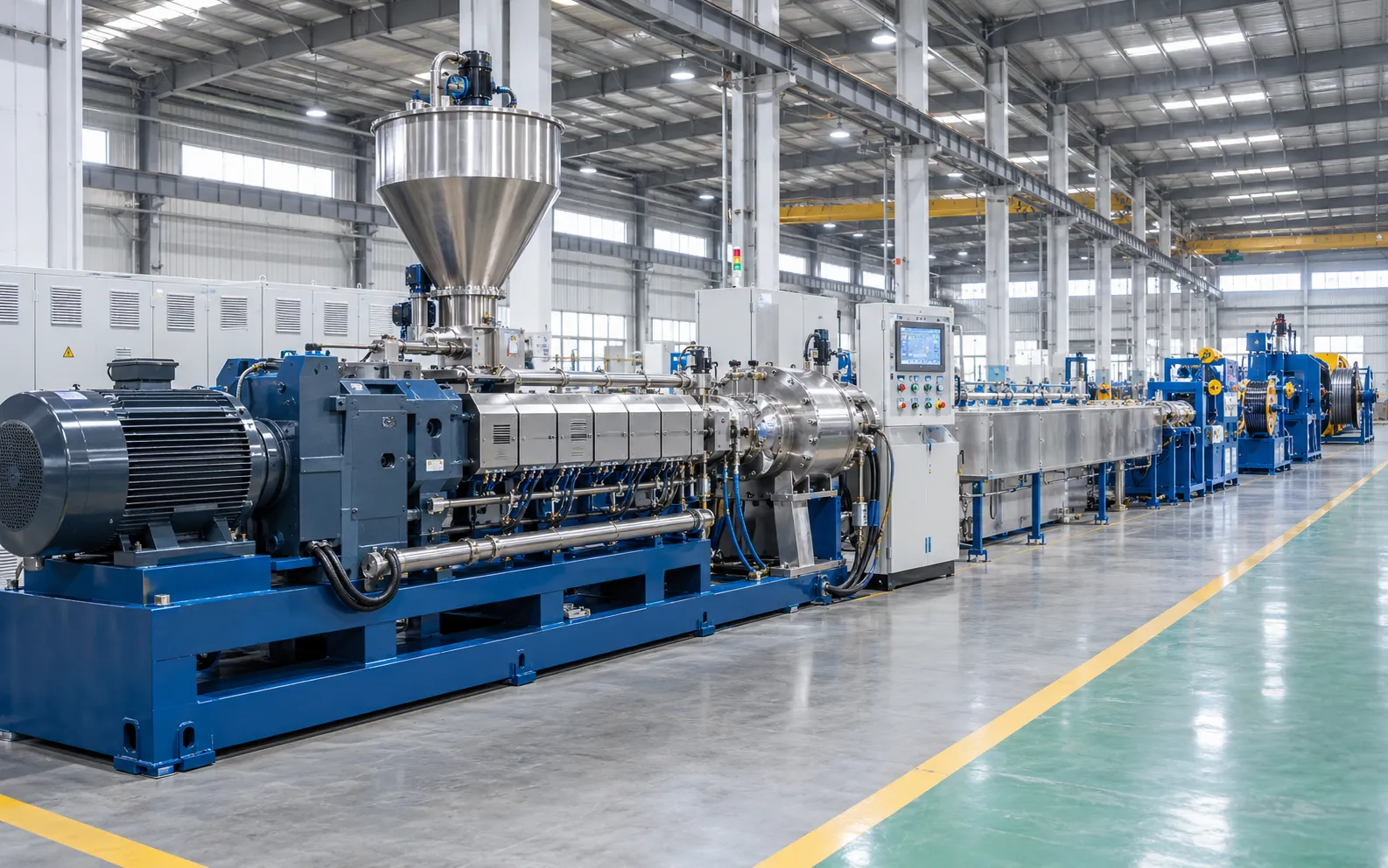
XLPE Power Cable Line (UET-85)
Low-screw-shear design with precise thermal control for sensitive MV/HV XLPE compounds — zero scorch.
- Max Output: 450 kg/h
- Screw: low-compression design
- Best for: MV/HV insulation
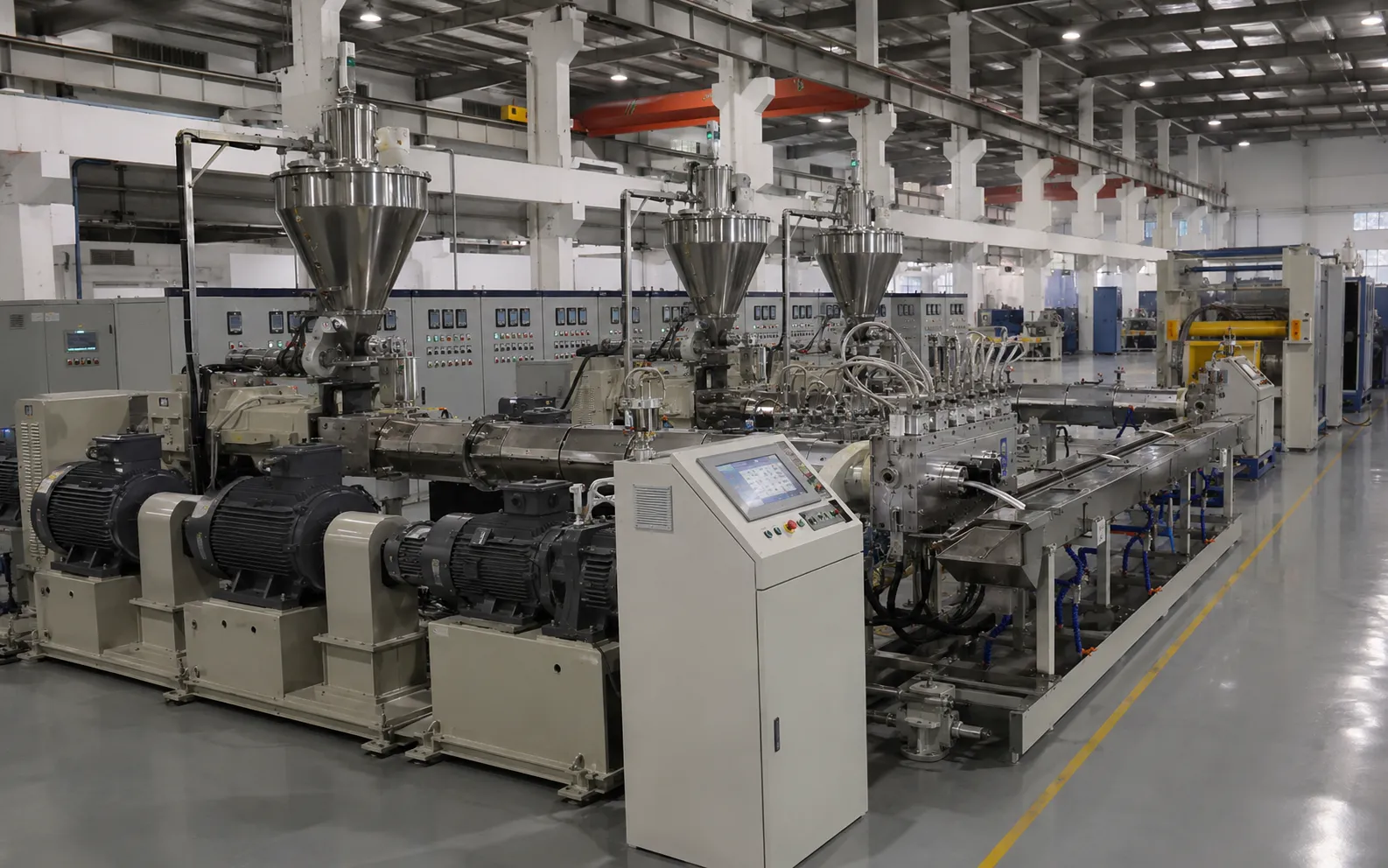
Multi-Layer Co-Extrusion Line
PLC-synchronized tandem extruders apply inner semi-con, insulation and outer semi-con in a single pass.
- Config: 1+2 / 2+1 tandem
- Control: Siemens S7 PLC
- Best for: specialty power cables
General Specifications
- Application
- Cable Insulation & Sheath Extrusion
- Material Compatibility
- PVC / PE / XLPE / LSZH (HFFR)
- Screw Diameter Range
- 55 – 95 mm
- L/D Ratio
- 24:1 – 32:1
- Line Speed Range
- 10 – 800 m/min (cable dependent)
- Product Precision
- ±0.01 mm (closed-loop laser control)
- Core Concentricity
- ≥ 99.5%
- Control System
- PLC + Touch Screen (Siemens S7)
- Electric Components
- Siemens / Schneider (ABB Opt.)
- Cooling System
- Multi-zone progressive water trough
- Center Height
- 1,000 mm (customizable)
- Certification
- CE, ISO 9001:2015
| Model | Screw Dia. (mm) | L/D Ratio | Output (kg/h) | Main Motor | Line Speed (m/min) | Conductor Ø (mm) | Primary Application |
|---|---|---|---|---|---|---|---|
| UET-55 | 55 | 24:1 / 26:1 | 70–120 | 18 HP (15 kW) | 100–800 | 0.5–8 | Small wires, telecom & data cables |
| UET-65 | 65 | 24:1 / 28:1 | 120–200 | 30 HP (22 kW) | 50–600 | 1–12 | Building wires, control cables |
| UET-75 | 75 | 26:1 / 30:1 | 200–300 | 45 HP (35 kW) | 30–400 | 2–25 | Medium power cables, automotive wire |
| UET-85 | 85 | 26:1 / 30:1 | 300–450 | 60 HP (45 kW) | 20–250 | 5–40 | Large cables, XLPE insulation |
| UET-95 | 95 | 28:1 / 32:1 | 450–650 | 80 HP (60 kW) | 10–160 | 10–60 | HV cables, heavy sheathing, HFFR |
Installation Requirements & Site Preparation
Essential site preparation information to ensure smooth installation and commissioning of your wire & cable extruder line.
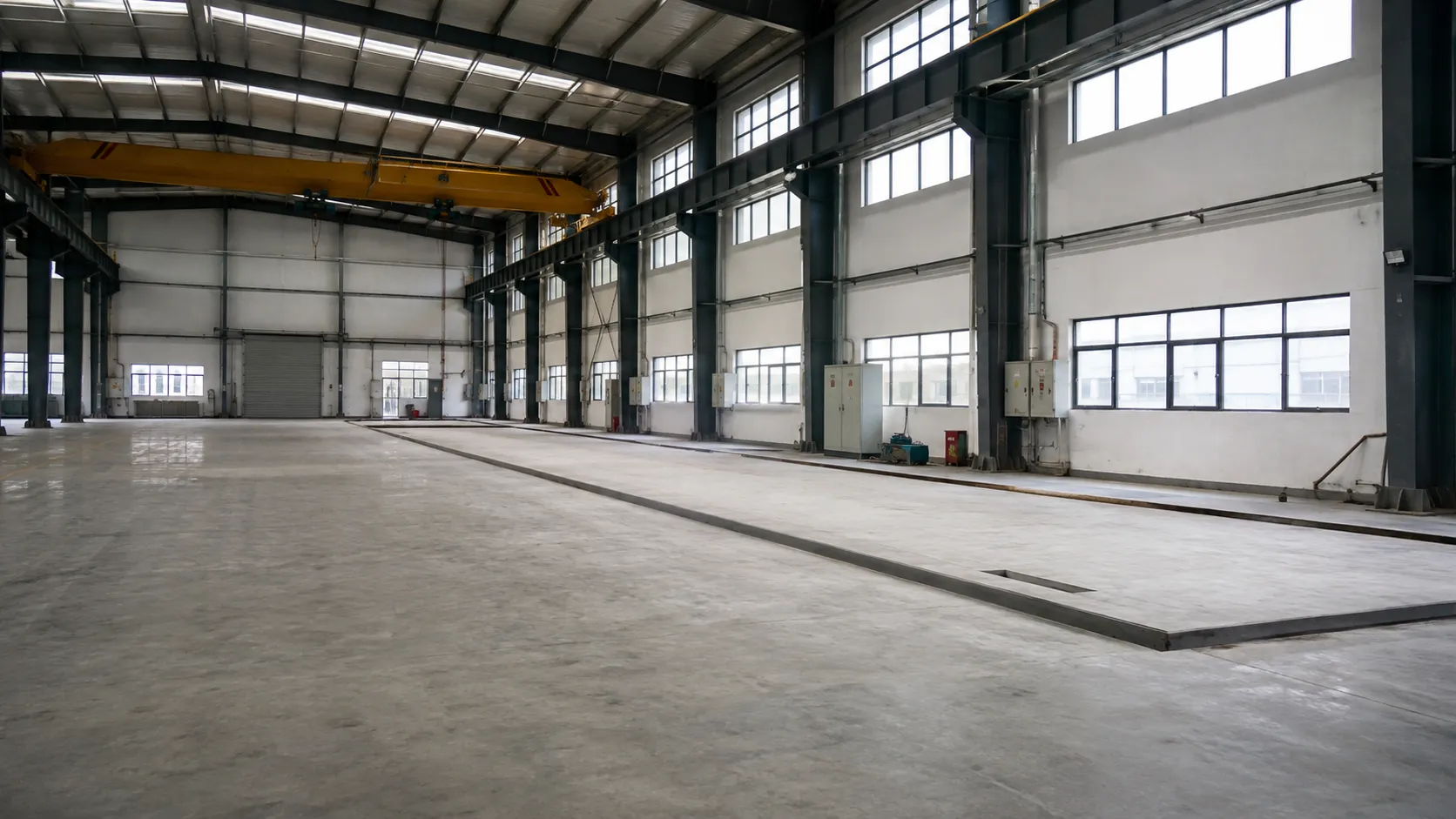
Site Space
- Minimum floor area: 40–80 m² (varies by line configuration)
- Ceiling height: ≥4 meters for crane access
- Clearance: 1.5m around equipment for maintenance
- Concrete foundation: ≥150mm thickness, level surface
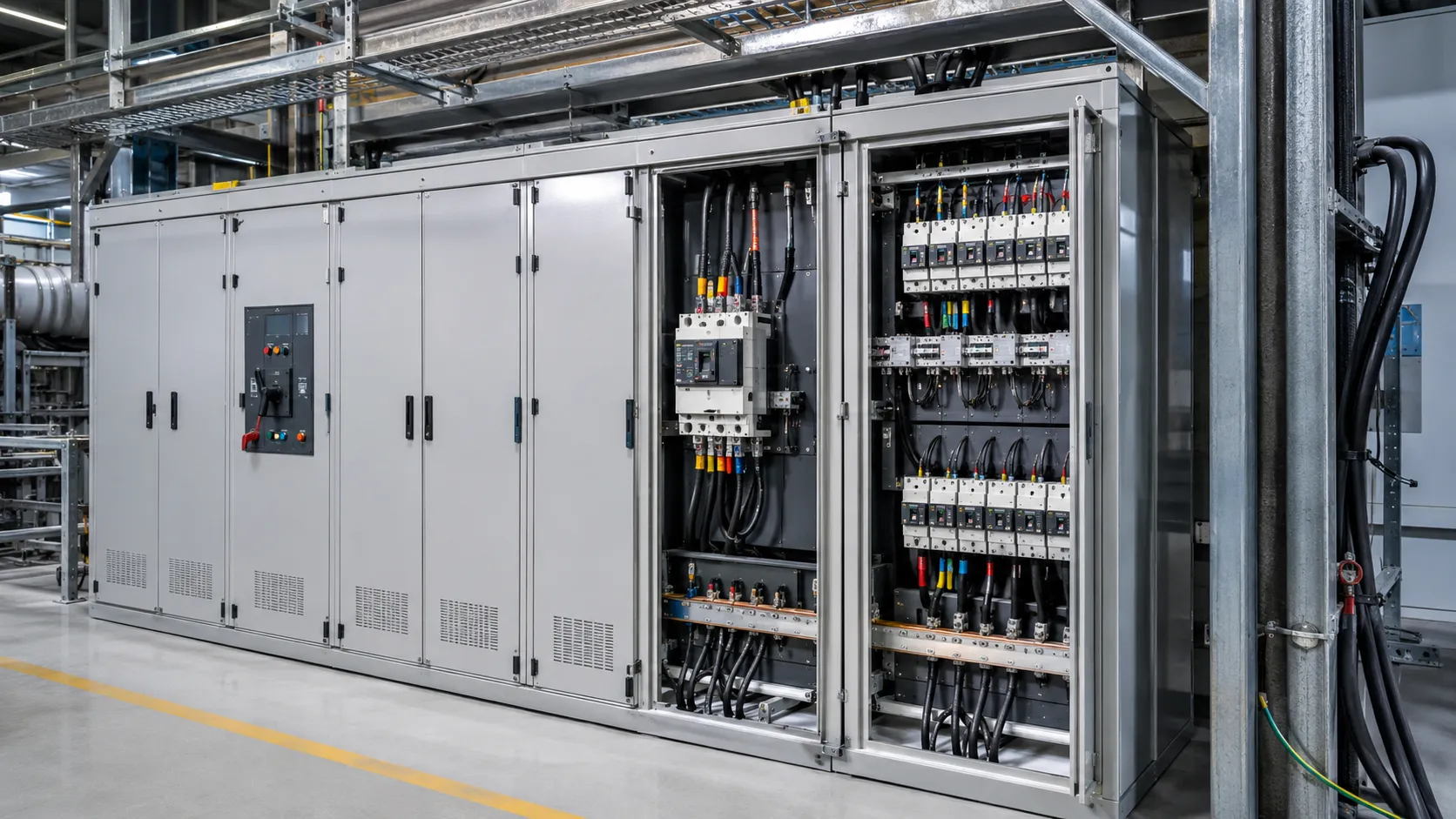
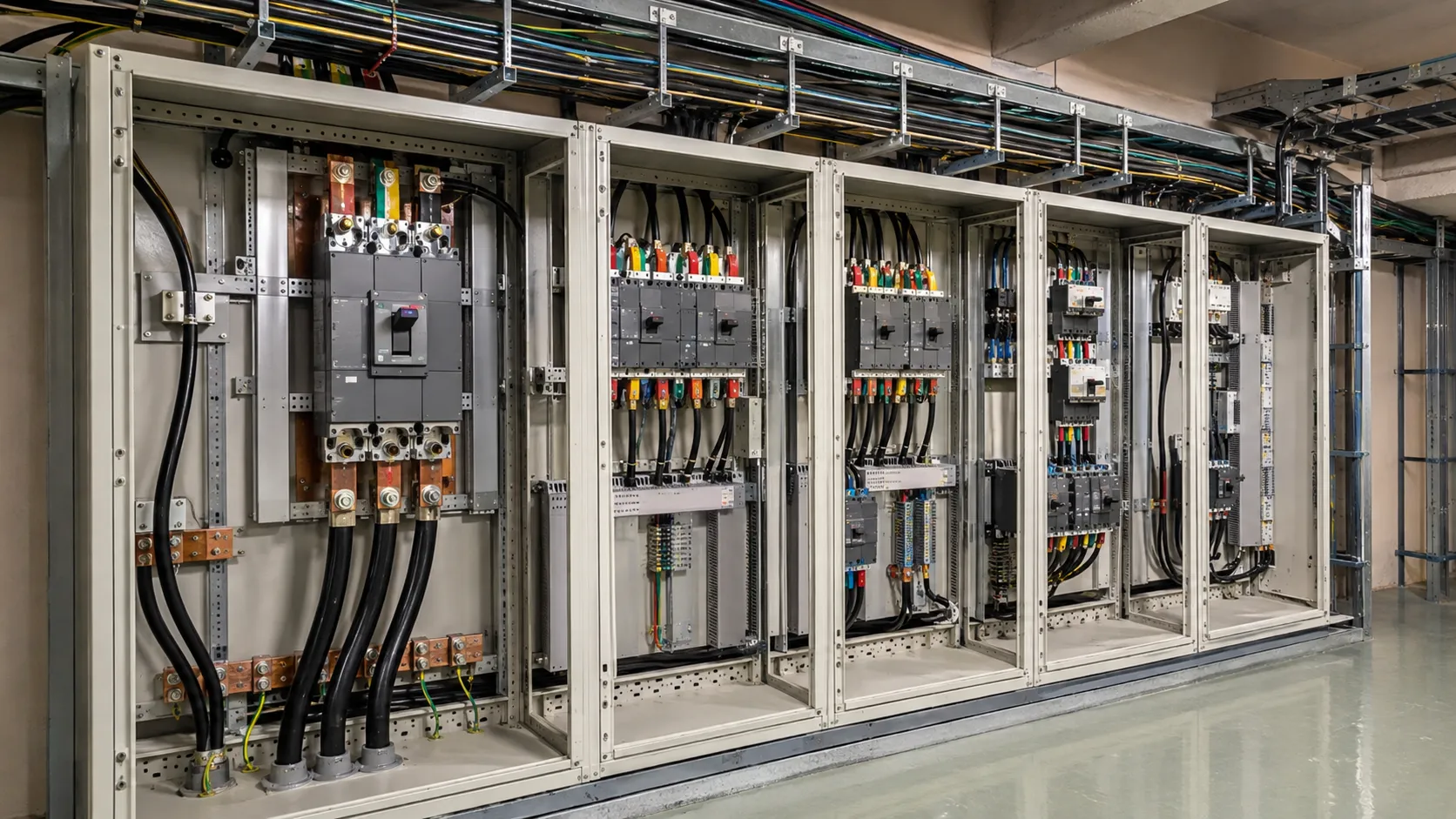
Power Supply
- Voltage: 380V / 50Hz / 3-phase (customizable)
- Total capacity: 80–250 kW (model dependent)
- Dedicated circuit with overload protection
- Voltage fluctuation tolerance: ±10%
Cooling & Ventilation
- Water supply: 2–5 m³/h for cooling trough
- Water pressure: 0.2–0.4 MPa
- Exhaust ventilation for fumes and heat
- Ambient temperature: 5–40°C
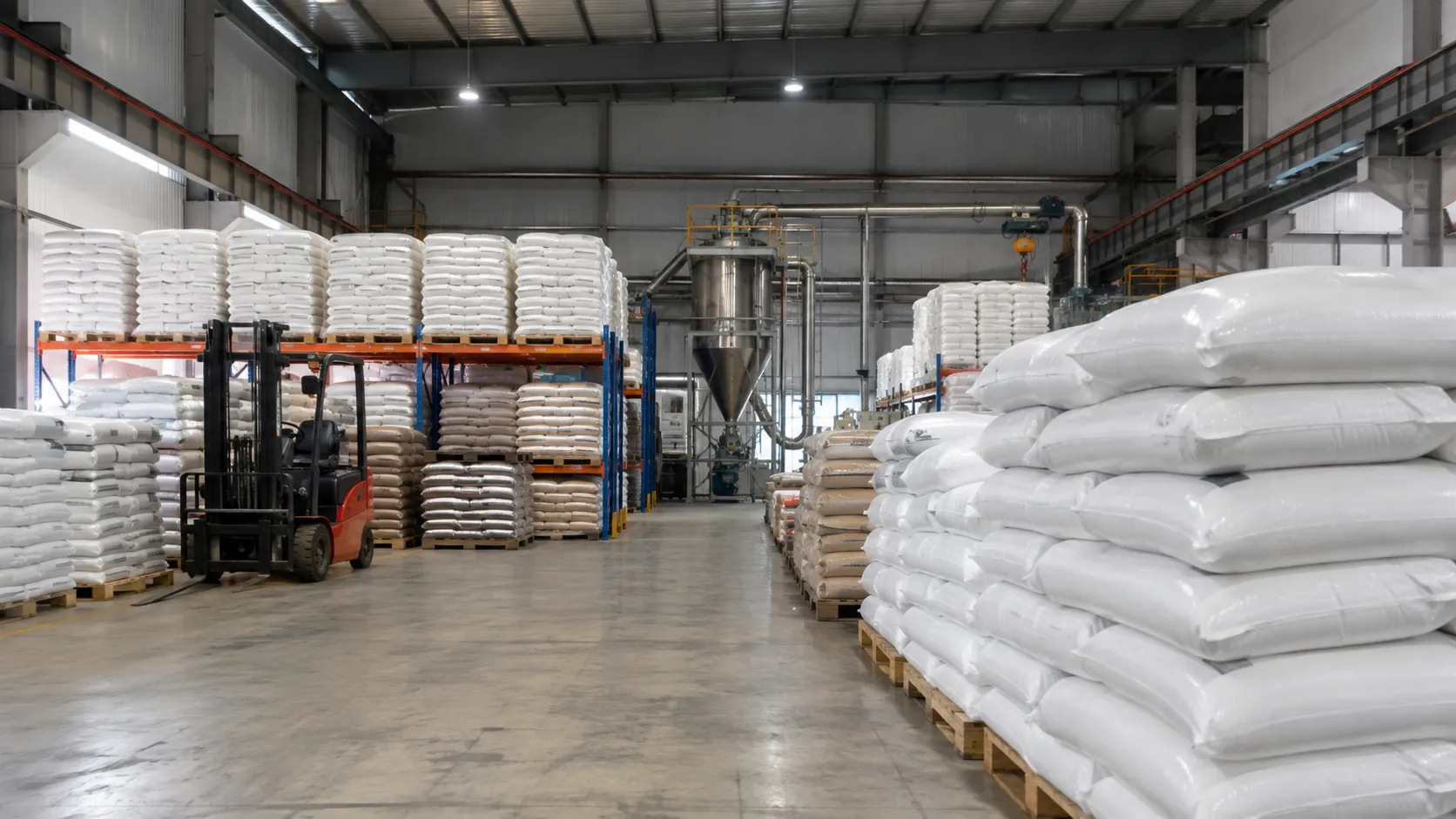
Material Handling
- Raw material storage: dry, ventilated area
- Loading height: ≤1.5m for hopper feeding
- Finished product storage: 50–100 m²
- Forklift access for material transport
Wire & Cable Extruder Maintenance Schedule
Recommended maintenance routines to maximize uptime, extend component life and maintain extrusion precision.
Daily
Shift Checks
- Verify barrel heating zones & melt temperature
- Inspect crosshead die for buildup
- Check cooling water flow & temperature
- Purge barrel before shutdown
Weekly
Preventive Checks
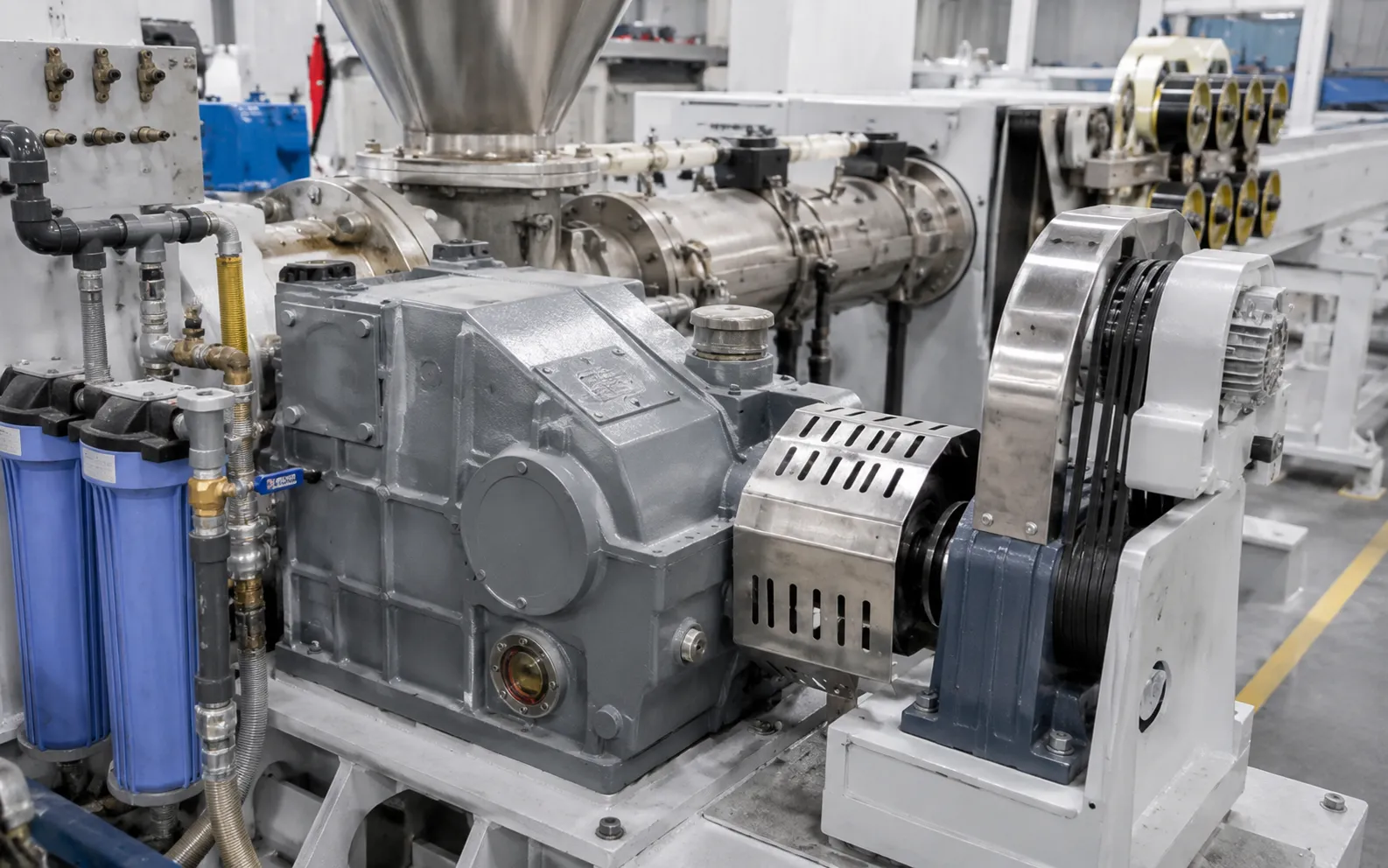
- Check gearbox oil level & capstan belt tension
- Clean hopper, feed throat & water filters
- Calibrate temperature sensors
- Test safety interlocks & PLC alarms
Monthly
Component Inspection
- Measure screw–barrel wear (replace at 0.3mm)
- Inspect heater bands & worn seals
- Check motor bearings & alignment
- Review production logs for anomalies
Annually
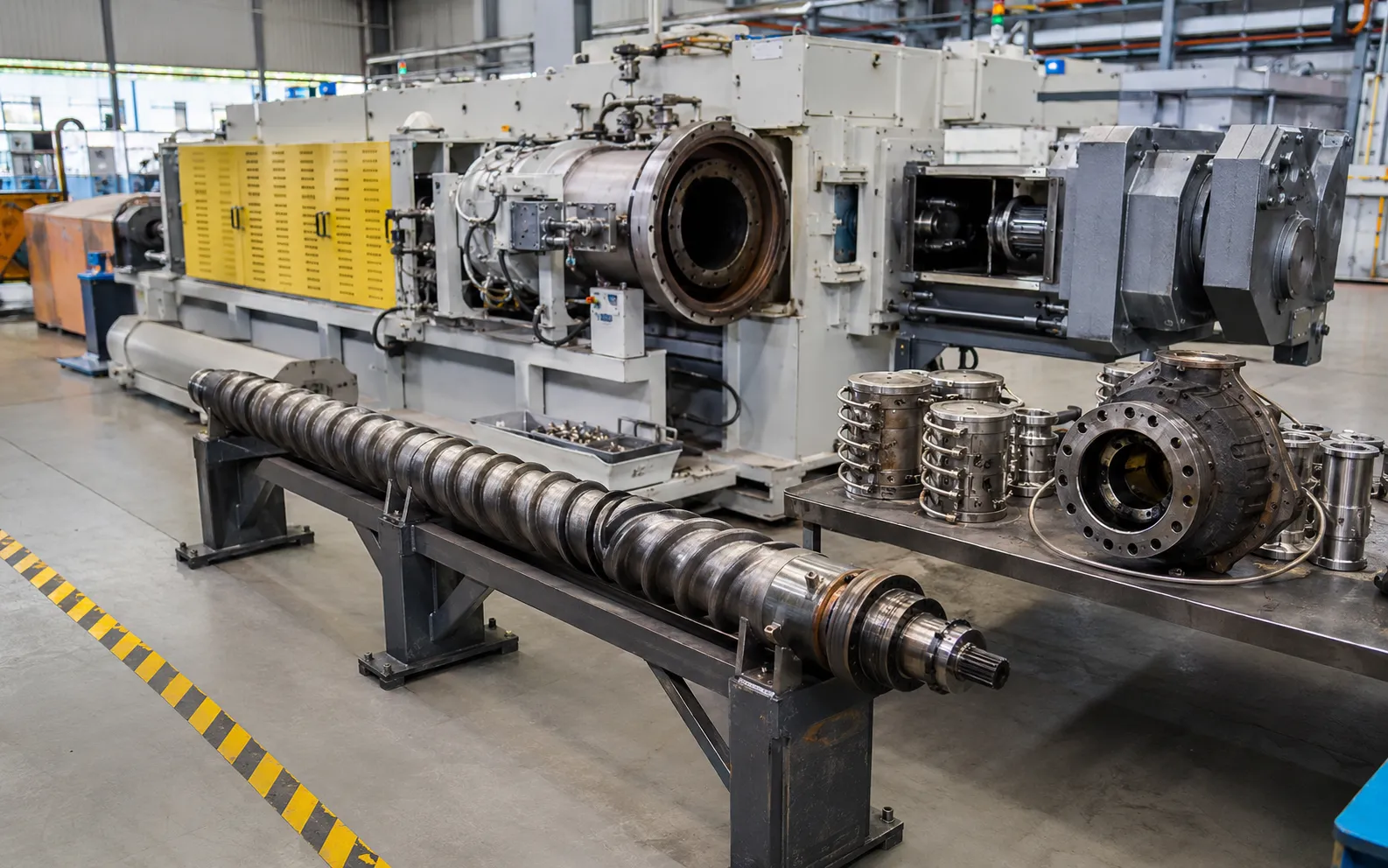
Full Service Overhaul
- Complete gearbox oil change
- Replace worn screw & barrel
- Rebuild crosshead die & heater bands
- Recalibrate entire PLC control system
Applications & End Products: Building Wire to HV Cable
Our wire & cable extruders serve diverse industries — from residential wiring to high-voltage power transmission.
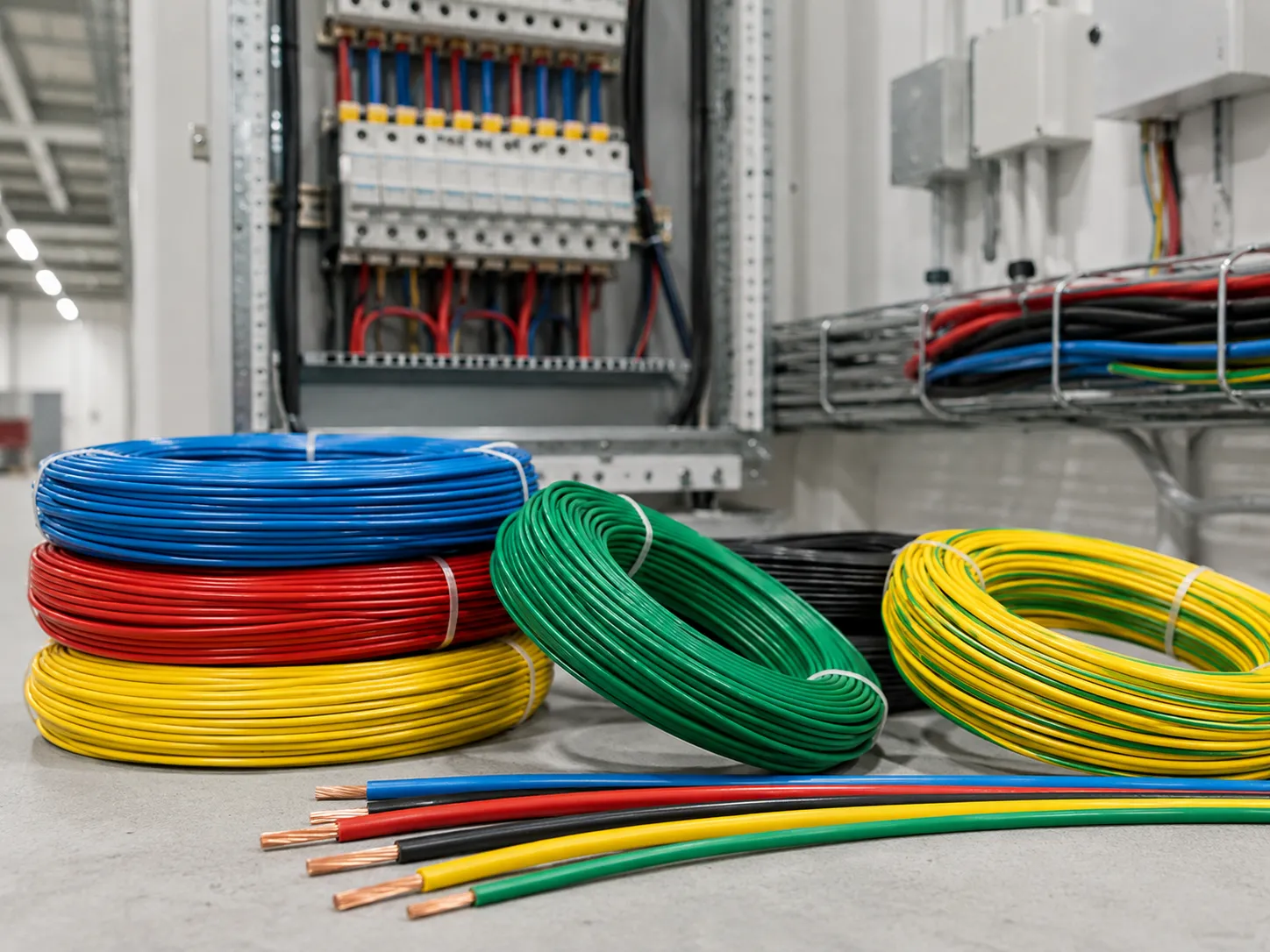
Building Wire
THHN, BV, RV residential and commercial wiring, 1.5–16mm² conductors
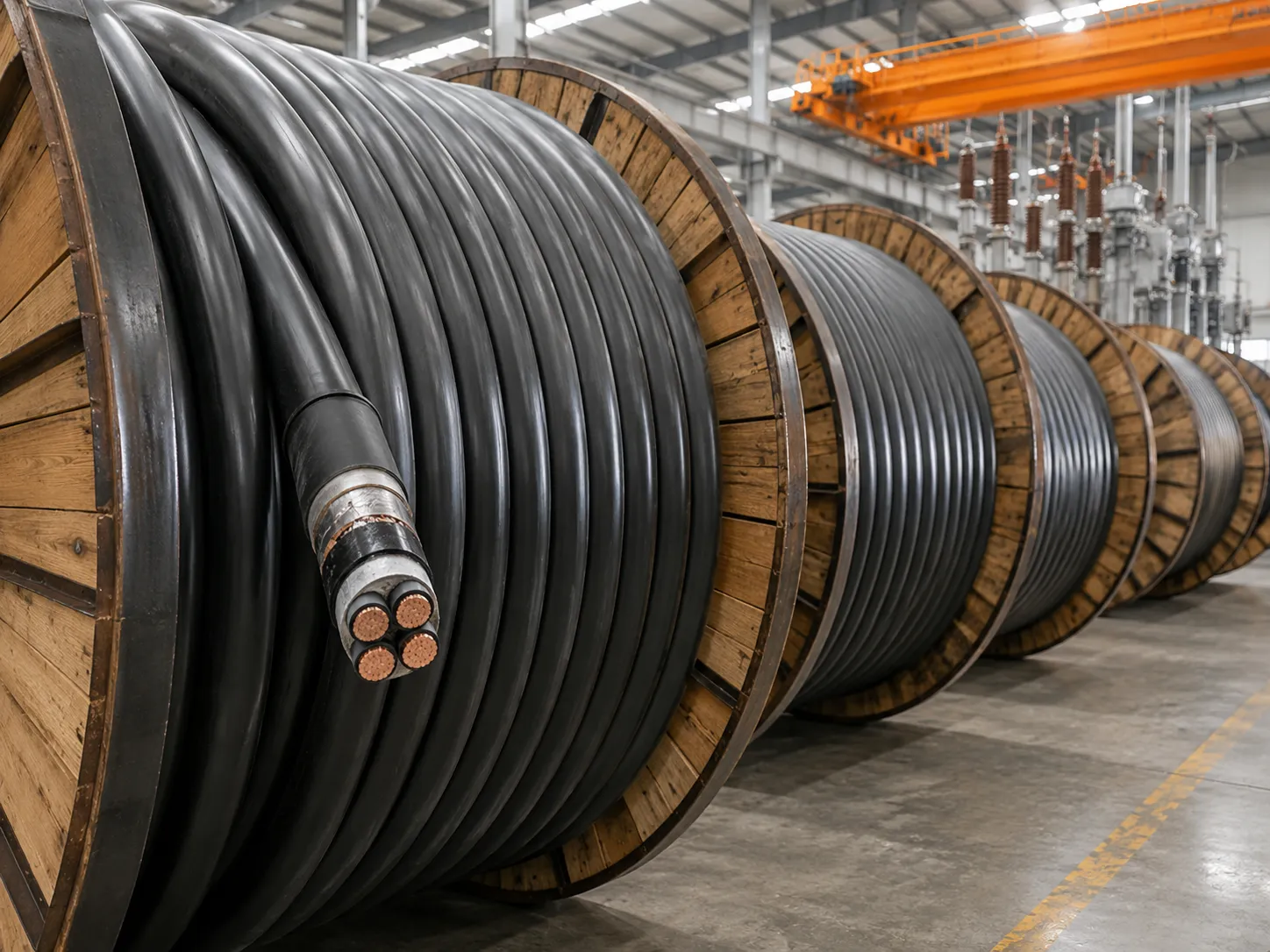
Power Cable
LV/MV/HV XLPE insulated cables, 10–240mm² conductors, up to 35kV
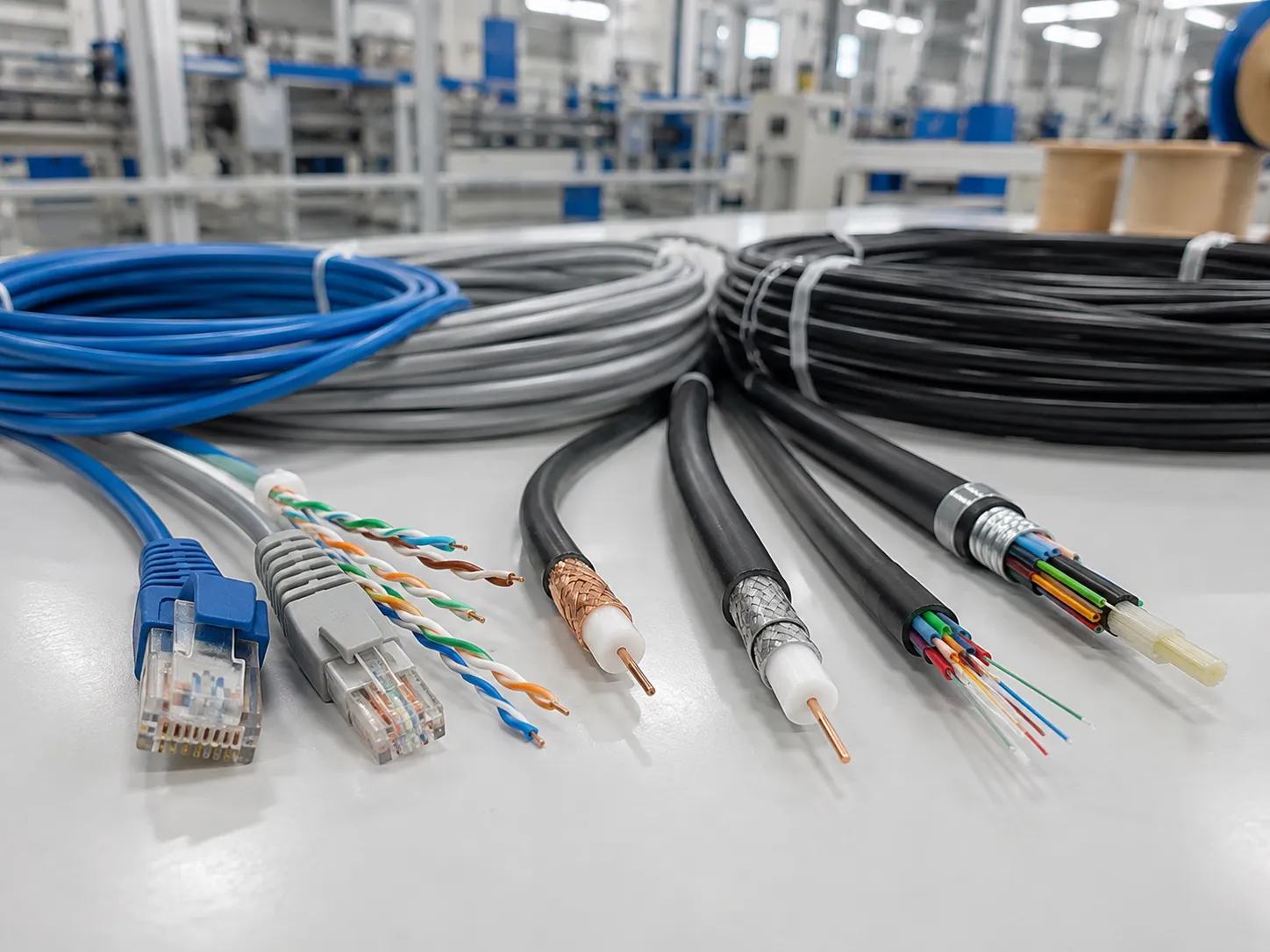
Data & Telecom
Cat5e/Cat6 Ethernet, coaxial cables, fiber optic loose tube
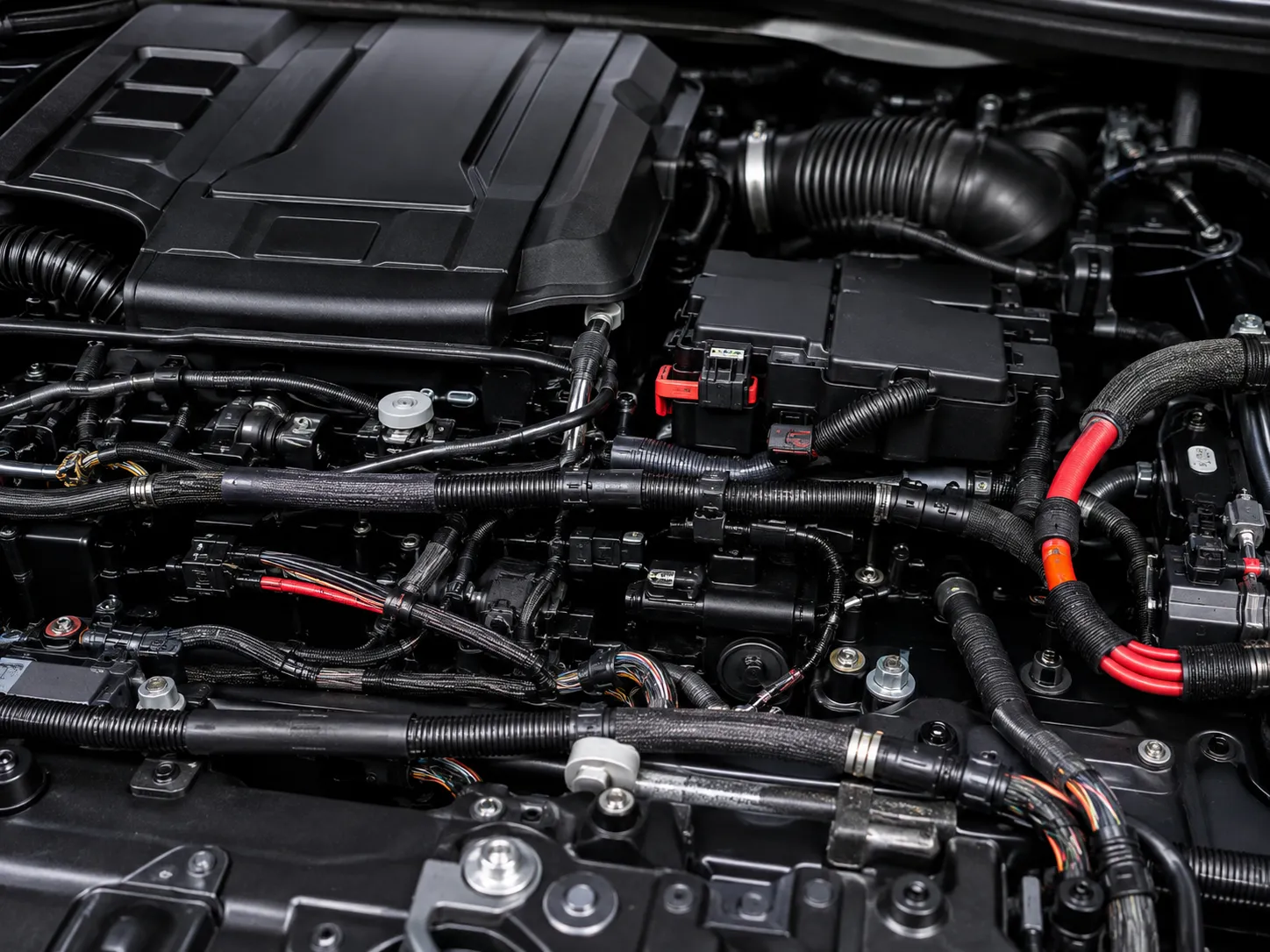
Automotive Wire
AVSS, AVX, GXL battery cables, heat-resistant engine bay wiring
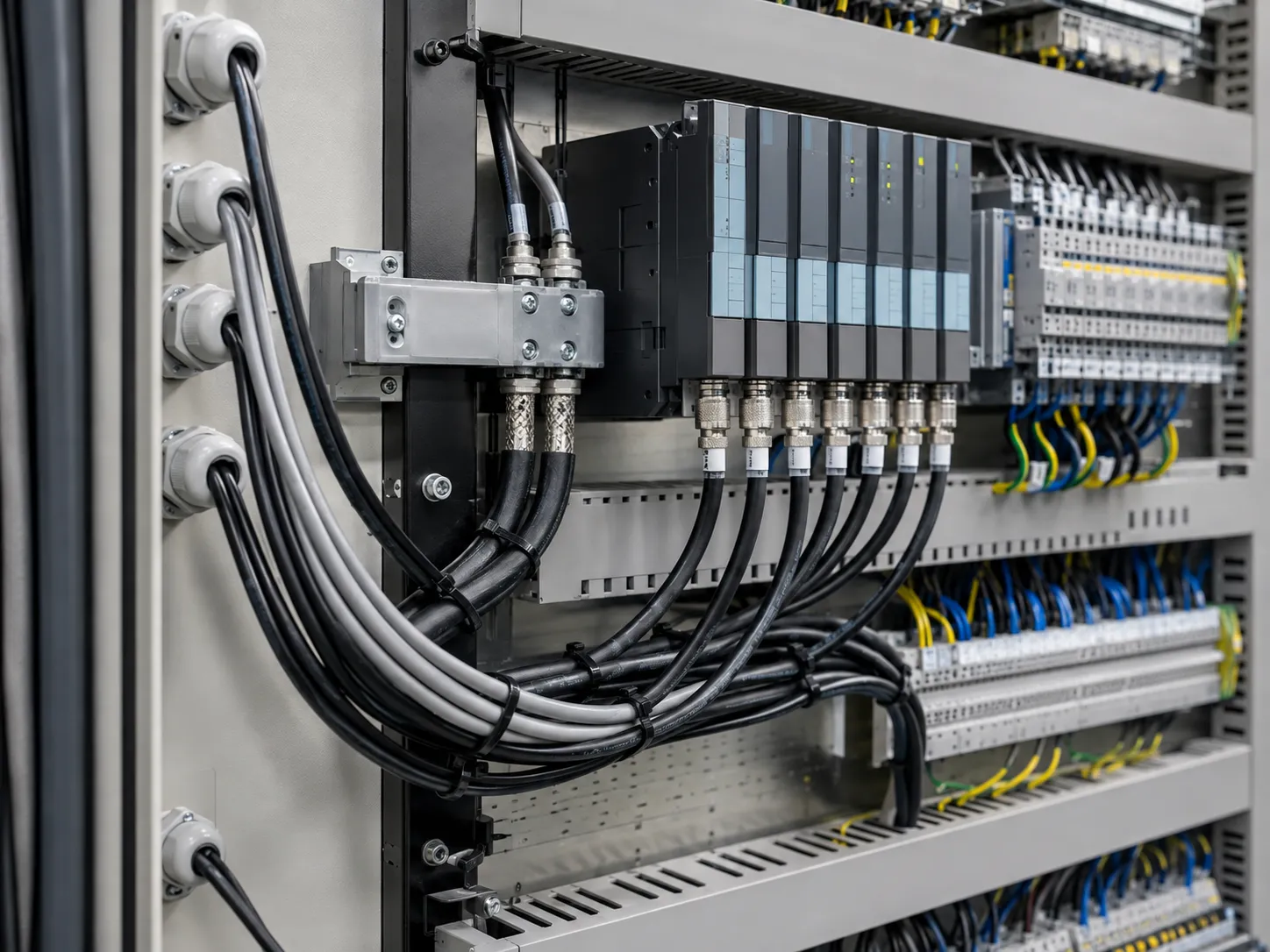
Control Cable
Multi-core shielded cables for industrial automation and PLC systems
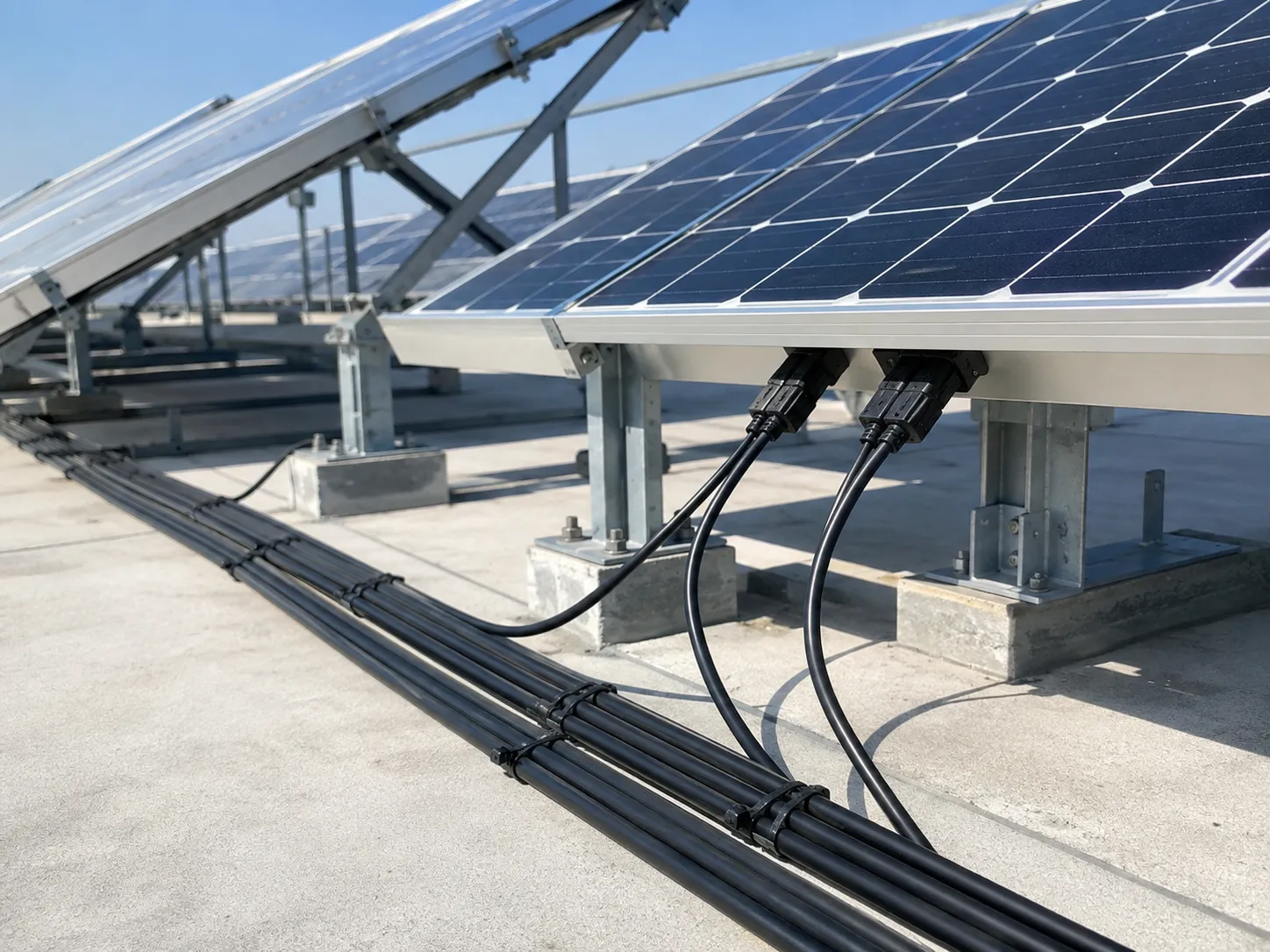
Solar Cable
PV1-F, H1Z2Z2-K photovoltaic cables, UV-resistant, 1.5kV DC rated
Related Extrusion Equipment
Cable manufacturers also rely on these UET extrusion lines for compounding, sheathing and recycling.
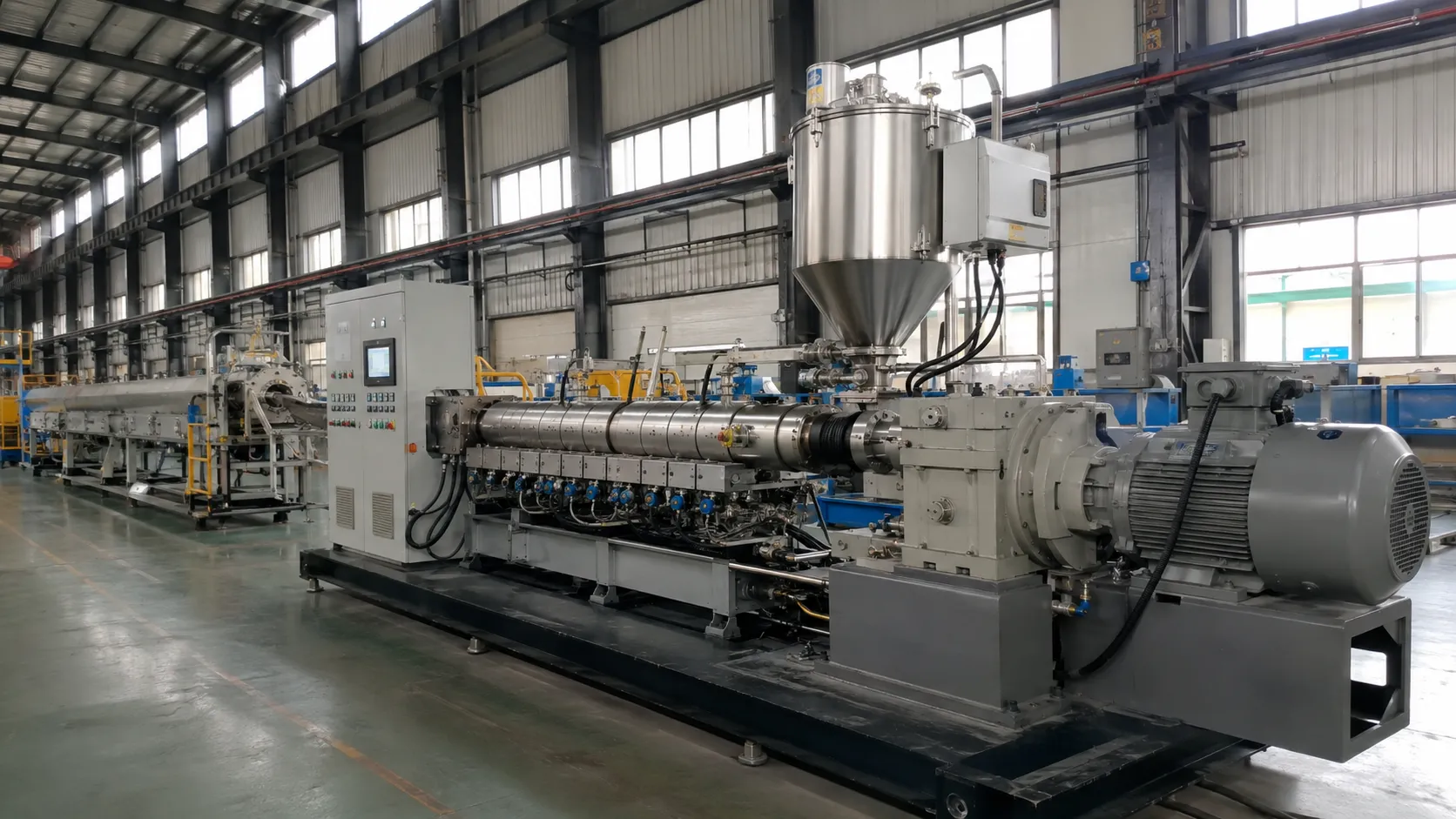
PVC Extruder
Gentle plasticization for PVC pipe, profile and cable dressing compounds without thermal decomposition.
View Details →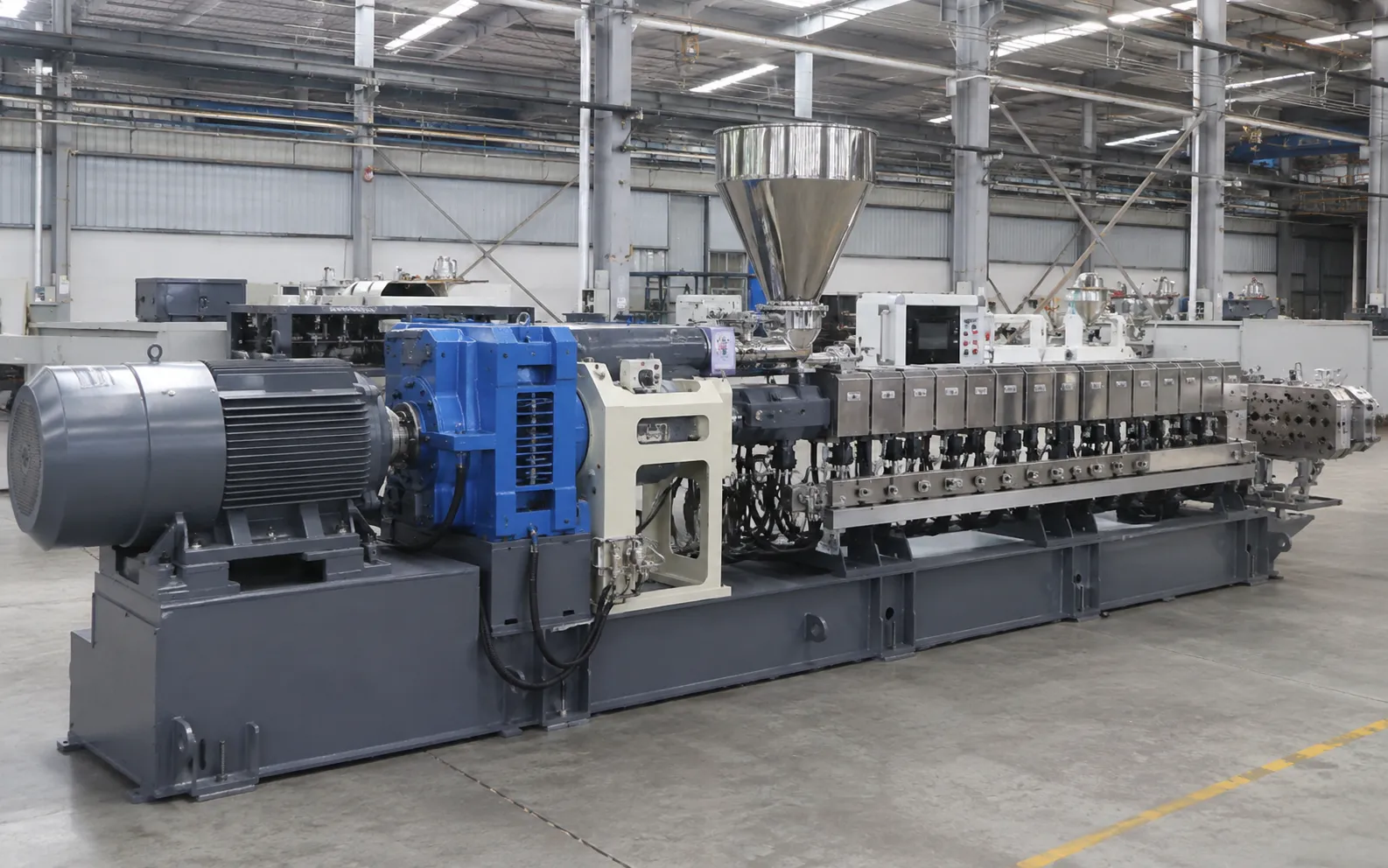
Twin Screw Extruder
High-shear co-rotating compounding for cable masterbatch, XLPE and HFFR compounds at 80–2,500 kg/h.
View Details →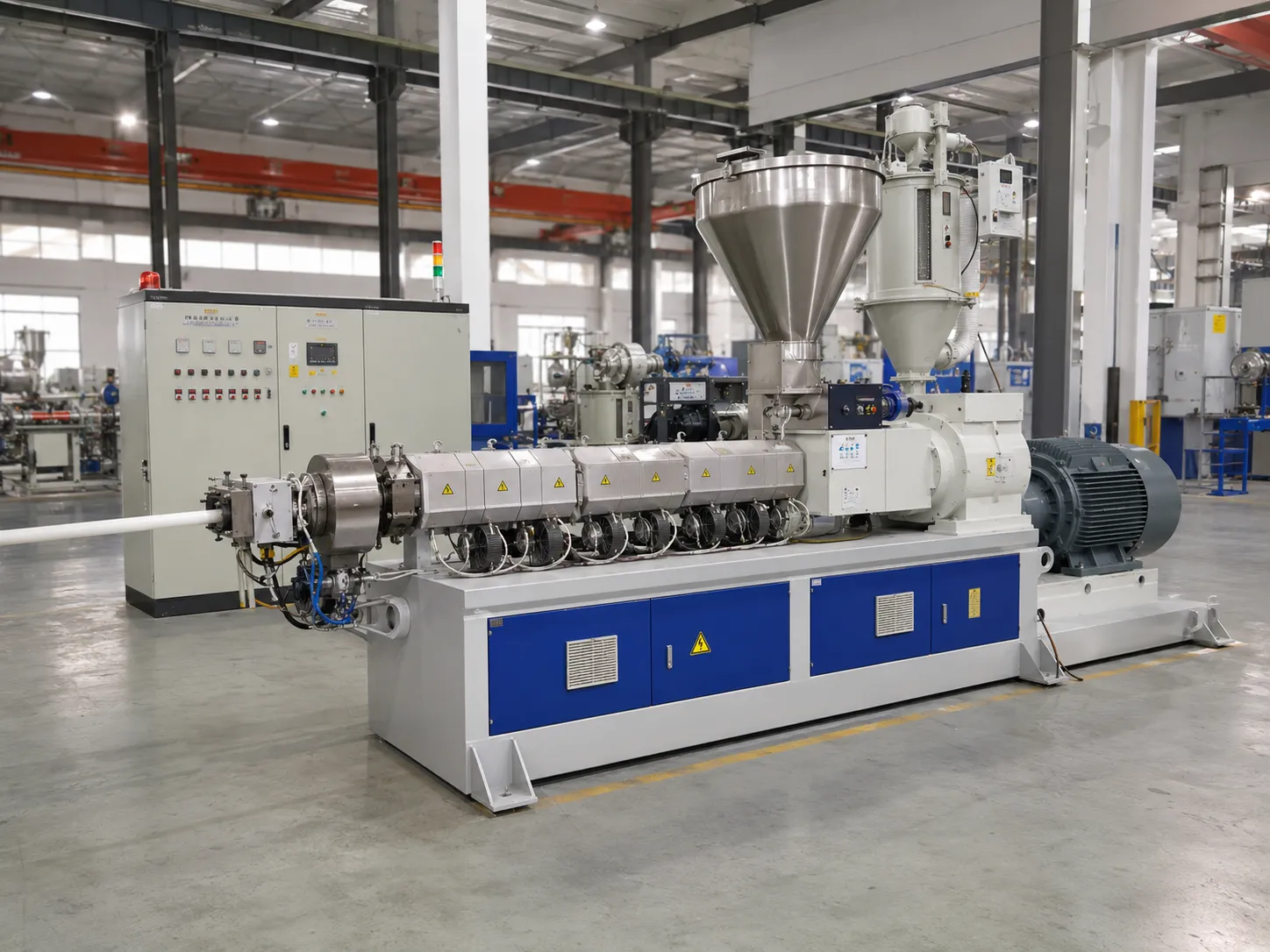
Single Screw Extruder
Cost-effective melting & forming for PE/PP insulation layers, pipes, sheets and films.
View Details →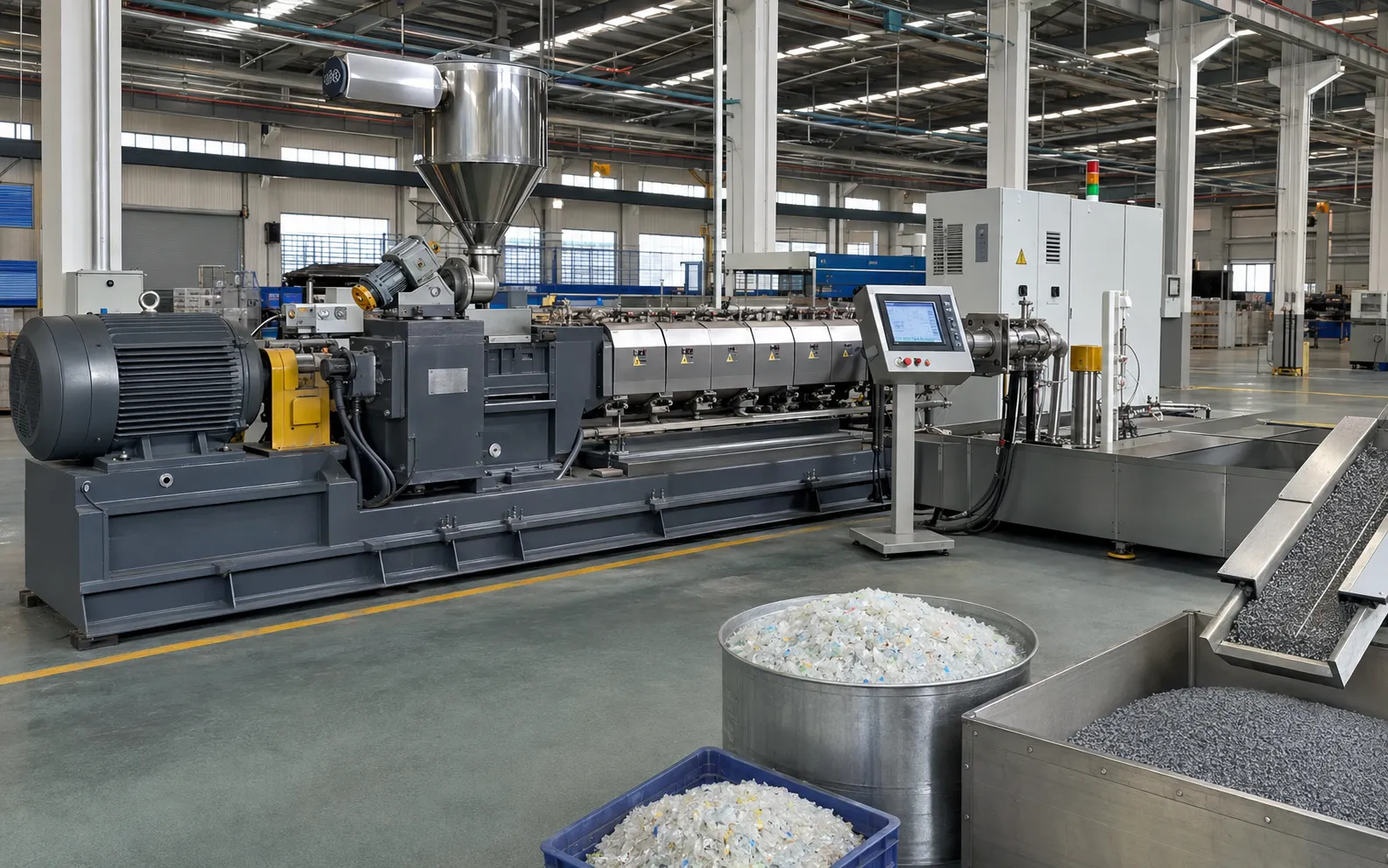
Recycled Plastic Extruder
Turn post-consumer and cable-factory regrind into certified pellets with up to 35% impurity tolerance.
View Details →What Cable Plants Say About UET
Verified feedback from wire & cable manufacturers running UET extrusion lines worldwide.
 ✓ Verified
Three months running this wire & cable extruder with zero breakdowns. Extrusion precision is far higher than our old equipment and the reject rate dropped by 15%. New operators mastered the interface in half a day.
 ✓ Verified
Concentricity holds at 99.6% on our data-cable line, batch after batch. The self-centering crosshead and stable traction sync removed the diameter drift we fought for years with our previous brand.
 ✓ Verified
We switched our power-cable sheathing line to the UET-95. Energy bill down 22%, and when we needed a die adjustment for a new HFFR compound, their engineer responded within hours — remotely, the same day.
Why Global Manufacturers Choose UET
Two decades of extrusion expertise, delivered to cable plants in 80+ countries.
Custom Engineering & OEM
Screw layout, L/D ratio, capacity and downstream modules tailored to your material profile and factory layout.
24/7 Global Support
Installation, training, spare parts and 7×24 remote technical assistance keep your line running on every continent.
Global Compliance
CE and ISO 9001 certified equipment meeting EU/US market access rules; full export documentation included.
Factory-Direct Pricing
No middlemen — lower scrap, lower energy, less downtime. A UET line typically pays for itself within 18 months.
Wire & Cable Extruder: Frequently Asked Questions
Everything you need to know about purchasing, operating and troubleshooting UET cable extrusion equipment.
What materials can a UET wire & cable extruder process?
The wire & cable extruder handles PVC, PE, XLPE and low-smoke zero-halogen (LSZH/HFFR) compounds for insulation and sheathing. Screw geometry and barrel configuration are matched to your exact formula, so one line can switch between materials without frequent re-adjustment.
How do I choose the right wire & cable extruder model for my cable size?
Model selection depends on conductor diameter, target insulation thickness and hourly output. As a rule of thumb, UET-55/65 suits small building and data wires, UET-75/85 covers medium power cables, and UET-95 handles large HV cables and heavy sheathing. Send us your cable spec sheet and we return a sized configuration within 2 hours.
What line speed and output can I expect from the wire & cable extruder?
Depending on model, the wire & cable extruder delivers 70–650 kg/h with line speeds up to 800 m/min for fine and building wire. Actual speed is set by insulation thickness and cooling length; the PLC keeps capstan speed synchronized with screw RPM so output stays stable across the whole run.
How does the wire & cable extruder guarantee concentricity and diameter precision?
Three systems work together: a self-centering crosshead die for even melt distribution, ±0.5°C zone temperature control for stable melt pressure, and closed-loop traction synchronization. Result: core concentricity ≥99.5% and diameter tolerance down to ±0.01mm with an online laser micrometer.
What warranty and after-sales support come with the wire & cable extruder?
Every wire & cable extruder carries a 1-year whole-machine warranty; core components (screw, barrel, motor, PLC) are covered for 24 months. After that you get lifetime technical support, cost-price spare parts and 24/7 remote engineer response — on-site service available on request.
How long is delivery, and do you provide installation for the wire & cable extruder line?
Standard wire & cable extruder models ship in 1–2 weeks; customized lines take 4–6 weeks. Every line includes export packing, full documentation, remote commissioning guidance and operator training (English manuals + video). On-site engineer installation is available for any country.
How do I fix sharkskin / melt fracture (surface roughness) on the wire & cable extruder?
Cause: Excessive shear stress at the die exit tears the melt surface microscopically — common in LLDPE and mPE.
UET fix: Raise die exit temperature, optimize die land length or add a polymer processing aid (PPA). UET dies are mirror-polished with optimized geometry to lower shear stress inherently.
How do I correct eccentricity (off-center insulation) on the wire & cable extruder?
Cause: Uneven melt pressure in the crosshead, improper die centering or fluctuating traction speed pulling the wire off-center.
UET fix: Self-centering crosshead dies with precision adjustment bolts, uniform barrel heating zones, and closed-loop PLC synchronization of capstan speed with screw RPM.
What causes blisters / porosity in insulation and how to prevent them on the wire & cable extruder?
Cause: Trapped moisture, volatiles or air bubbles expanding as the melt exits the high-pressure die.
UET fix: Hopper dryers for hygroscopic materials plus atmospheric/vacuum venting zones on the barrel to extract gases before the melt reaches the die.
How to prevent premature cross-linking (scorch) in XLPE extrusion on the wire & cable extruder?
Cause: Material cures inside the barrel or die head instead of on the wire — lumps, die buildup and line stoppage follow.
UET fix: Water-cooled feed throats block backward heat conduction; low-compression screws and polished flow channels eliminate dead spots where material lingers and cures.